
Crystal methamphetamine is a potent synthetic central nervous system stimulant that can cause severe cardiovascular and neurological harm. No FDA-approved medication currently treats methamphetamine use disorder, but evidence-based behavioral care, especially contingency management, offers a clinically supported path toward recovery.
The substance's risks aren't limited to intoxication. People may also face persistent sleep disruption, psychiatric symptoms, cognitive problems, dental disease, vascular injury, and complications from exposure to other drugs. Effective care begins by separating emergencies from routine treatment, then building a structured plan around safety, behavioral support, medical monitoring, and follow-up.
Table of Contents
- Understanding Crystal Methamphetamine and Its Mechanisms
- Short-Term Toxicity and Long-Term Health Consequences
- Recognizing the Signs of Use and Addiction Risk
- Emergency Red Flags and Immediate Triage
- Evidence-Based Treatment and Harm Reduction Pathways
- Outpatient Medical Care and Recovery Planning
- Navigating Access and Next Steps in Care
Understanding Crystal Methamphetamine and Its Mechanisms
Crystal methamphetamine, also called meth or crystal, is a highly addictive synthetic stimulant. Its smokable crystalline form is often associated with a rapid onset of effects, but the central medical concern is its action on the brain and cardiovascular system, not the street name or appearance of the product.
Methamphetamine rapidly crosses the blood-brain barrier. It acts through monoamine transport systems and increases extracellular dopamine and norepinephrine, chemical messengers involved in reward, alertness, motivation, and cardiovascular activation. This mechanism helps explain the drug's effects, including euphoria, increased activity, talkativeness, reduced appetite, and wakefulness. It also helps explain why exposure can produce severe agitation, paranoia, hallucinations, seizures, coma, or cardiovascular collapse. The National Center for Biotechnology Information clinical review describes these acute toxic effects and the drug's rapid activity in the central nervous system.
A long chemical history
Methamphetamine was first synthesized in Japan in 1919 by Akira Ogata. It was later produced widely in Germany and Japan, manufactured in Japan by 1941, and eventually spread through global illicit markets. The drug therefore isn't a new trend. Its current form reflects more than a century of chemical development, wartime dissemination, and subsequent illegal production. The French Monitoring Centre for Drugs and Drug Addiction history places crystal methamphetamine within that longer development.
That history matters clinically. Methamphetamine is now described as the most widely consumed synthetic stimulant worldwide, and its market has continued to affect multiple regions rather than one isolated community. The International Narcotics Control Board reported 90 tons of crystal methamphetamine seizures in 2023, a record level, while UNODC data indicate that global methamphetamine seizures had been growing at an approximate annual rate of 13% as of 2024. The 2024 INCB annual report also identifies methamphetamine as dominant in North America, Australia and New Zealand, East and South-East Asia, South America, and South-West Asia.
Why rapid stimulation creates medical risk
A fast rise in dopamine can reinforce repeated use, while norepinephrine activation increases strain on the heart and blood vessels. The result is a drug that can feel energizing while simultaneously pushing several body systems toward instability.
For adults seeking confidential evaluation, Empire Medical Wellness addiction medicine is one outpatient option for medical assessment, monitoring, recovery planning, and coordination with outside treatment professionals when clinically appropriate and authorized.
Short-Term Toxicity and Long-Term Health Consequences
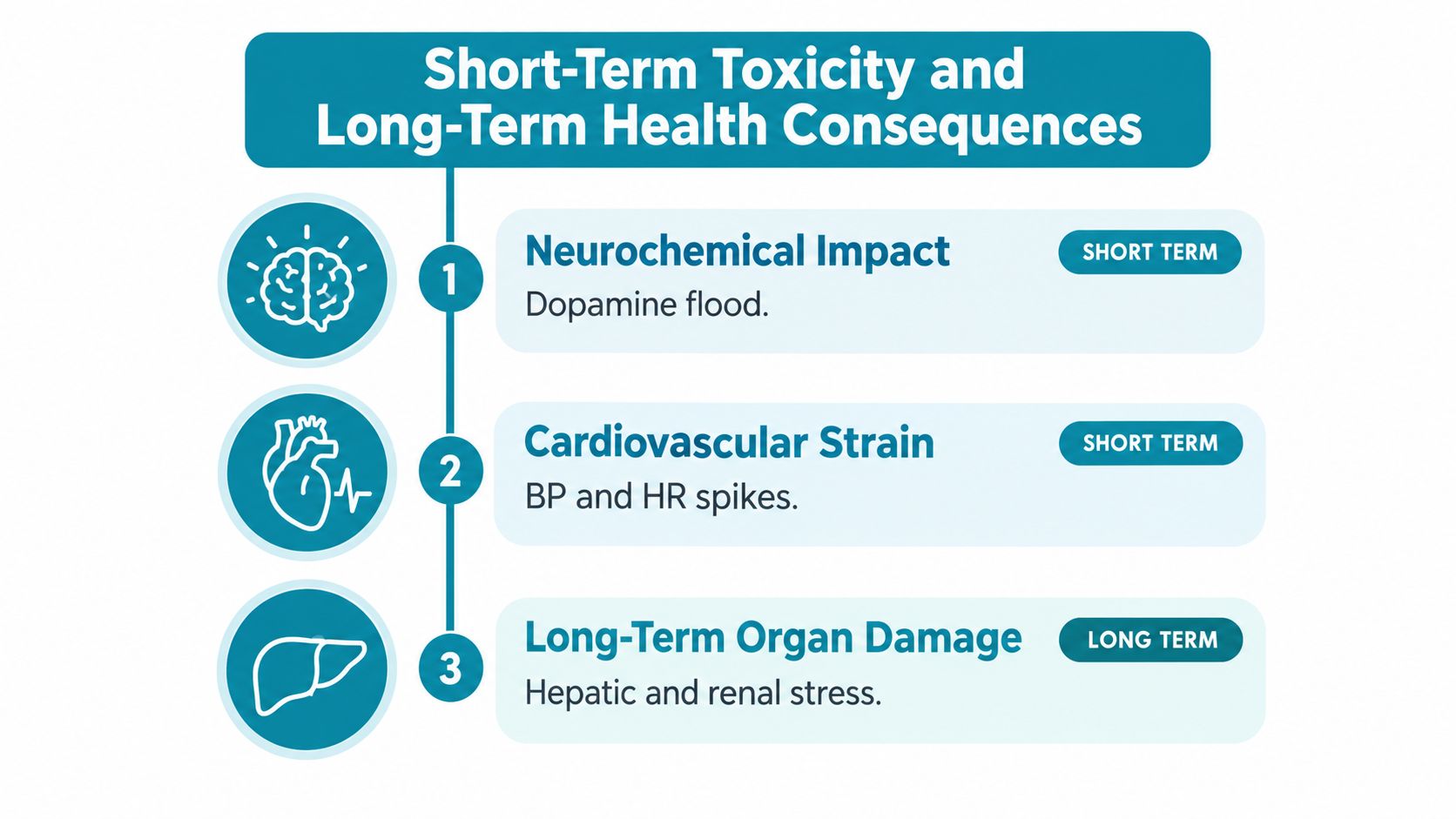
Crystal methamphetamine can injure the body in two distinct time frames. Acute toxicity may develop during or shortly after intoxication, while repeated exposure can produce neurological, psychiatric, cardiovascular, and cerebrovascular complications that persist after the immediate effects have faded.
Immediate toxicity
Methamphetamine can raise heart rate and blood pressure and may contribute to dangerous overheating, arrhythmias, seizures, or severe changes in mental status. Severe paranoia, hallucinations, coma, cardiovascular collapse, and intracranial hemorrhage are medical emergencies. The FDA prescribing information for methamphetamine hydrochloride warns that misuse may cause sudden death and serious cardiovascular events, including high blood pressure, tachycardia, palpitations, and fatal cardiorespiratory arrest.
The presentation may be complicated when methamphetamine is combined with fentanyl, heroin, alcohol, or other substances. A person who appears restless or paranoid may also develop respiratory depression or loss of consciousness from another drug. That's why emergency assessment should focus on the whole exposure rather than assuming that one substance explains every symptom. Information about fentanyl and overdose risk can help families understand why mixed-drug exposure requires urgent attention.
Persistent neurological and vascular harm
Repeated exposure has been associated with injury to dopaminergic and serotonergic axons. In plain language, these are parts of nerve cells involved in movement, mood, attention, and reward. Expert review links this neurotoxicity with prolonged psychiatric symptoms, cognitive impairment, and a higher long-term risk of Parkinsonian syndromes. The peer-reviewed review of methamphetamine neurotoxicity also describes vascular complications such as tachycardia, hypertension, arrhythmias, and stroke.
The clinical pattern isn't identical for everyone. Risk can vary with dose, frequency, sleep deprivation, co-occurring conditions, and exposure to other substances. Still, the combination of cardiovascular strain and neuropsychiatric effects is why monitoring shouldn't stop just because intoxication has ended.
Clinical rule: Acute stabilization comes first. Long-term treatment planning is safer after clinicians have assessed mental status, cardiovascular symptoms, sleep deprivation, and possible polysubstance exposure.
Recognizing the Signs of Use and Addiction Risk
No single physical feature proves that someone uses methamphetamine, and appearance alone can't establish a substance use disorder. A useful assessment looks for changes over time, asks about function and safety, and avoids treating shame as a clinical tool.
Methamphetamine and other stimulants can affect sleep, appetite, mood, thinking, dental health, and the cardiovascular system. Possible warning signs include prolonged wakefulness, marked appetite suppression, unexplained weight change, dry mouth, dental deterioration, skin picking, rapid speech, unusual suspiciousness, hallucinations, or sudden mood changes. The CDC describes long-term methamphetamine effects that can include heart and brain damage, anxiety, confusion, insomnia, mood disturbances, and violent behavior. These findings are concerning, but they can also arise from medical or psychiatric conditions that require separate evaluation.
Look for functional changes
A clinician will usually ask whether substance use is interfering with responsibilities, relationships, health, or safety. Repeated unsuccessful efforts to reduce use, continued use despite harm, increasing time spent obtaining or recovering from use, and risky situations can indicate a need for professional assessment. The question isn't whether someone appears to fit a stereotype. It's whether a pattern of use is causing clinically meaningful problems or loss of control.
Dental deterioration deserves attention because dry mouth, poor nutrition, neglect of oral care, and prolonged stimulant exposure can combine to damage teeth and gums. Sleep loss also deserves careful questioning. Several sleepless days can worsen paranoia, irritability, impulsivity, and perceptual disturbances, even before a separate psychiatric diagnosis is considered.
Ask about other substances directly
NIDA reports that methamphetamine is the second most commonly found drug in people who fatally overdose, after synthetic opioids. It also notes that overdose can involve methamphetamine alone or occur with other drugs, particularly fentanyl and heroin. The NIDA methamphetamine guidance supports direct, nonjudgmental questions about all substances, prescribed medications, and possible contamination.
If cocaine or another stimulant is also involved, cardiovascular and psychiatric risks may be harder to interpret. Adults can review broader stimulant concerns through cocaine and stimulant-use information, but urgent symptoms should never wait for an educational appointment.
A calm opening often works better than confrontation: “I've noticed you haven't been sleeping and seem frightened. Are you safe right now?” The aim is to identify immediate danger and create a path to assessment, not to force an admission.
Emergency Red Flags and Immediate Triage
The first clinical question is whether the person is currently intoxicated or medically unstable. Chest pain, severe agitation, psychosis, suicidal thinking, seizures, loss of consciousness, severe headache, or major breathing changes require emergency evaluation. Don't attempt to manage these symptoms with home detoxification, additional substances, or improvised medication.
Stimulant Use Triage and Safety Matrix
| Symptom Category | Clinical Presentation | Recommended Action |
|---|---|---|
| Cardiovascular | Chest pain, severe palpitations, fainting, markedly elevated blood pressure, or signs of stroke | Call emergency services or go to an emergency department immediately |
| Neurological | Seizure, loss of consciousness, severe headache, weakness, confusion, or inability to stay awake | Treat as an emergency and avoid leaving the person alone |
| Psychiatric safety | Severe paranoia, hallucinations, dangerous agitation, suicidal thinking, or threats toward others | Seek emergency psychiatric or medical assessment |
| Temperature and physical instability | Severe overheating, rigid movements, uncontrolled shaking, or profound agitation | Call emergency services immediately |
| Possible polysubstance exposure | Unresponsiveness, slowed or abnormal breathing, blue or gray lips, or suspected fentanyl or opioid exposure | Call emergency services and follow dispatcher guidance |
| Nonemergency but clinically significant | Persistent insomnia, anxiety, mood changes, dental pain, appetite disruption, or cognitive concerns without immediate danger | Arrange prompt outpatient medical assessment |
The CDC stimulant overdose resource explains that stimulant toxicity can affect the heart, brain, and behavior. Emergency care may need to address several causes at once, particularly when the exposure is uncertain.
For general information about recognizing urgent drug-related symptoms, drug overdose guidance may be useful. It doesn't replace emergency services.
If someone is unconscious, having a seizure, struggling to breathe, experiencing chest pain, or threatening suicide, call 911 in the United States. Stay nearby if it's safe, remove obvious hazards, and give emergency responders clear information about suspected substances.
Evidence-Based Treatment and Harm Reduction Pathways
Treatment has a central limitation: no medication is currently FDA-approved specifically for methamphetamine use disorder. That doesn't mean treatment lacks evidence. It means care relies heavily on behavioral interventions, careful medical assessment, and support for the conditions that make recovery harder.
What has the strongest evidence
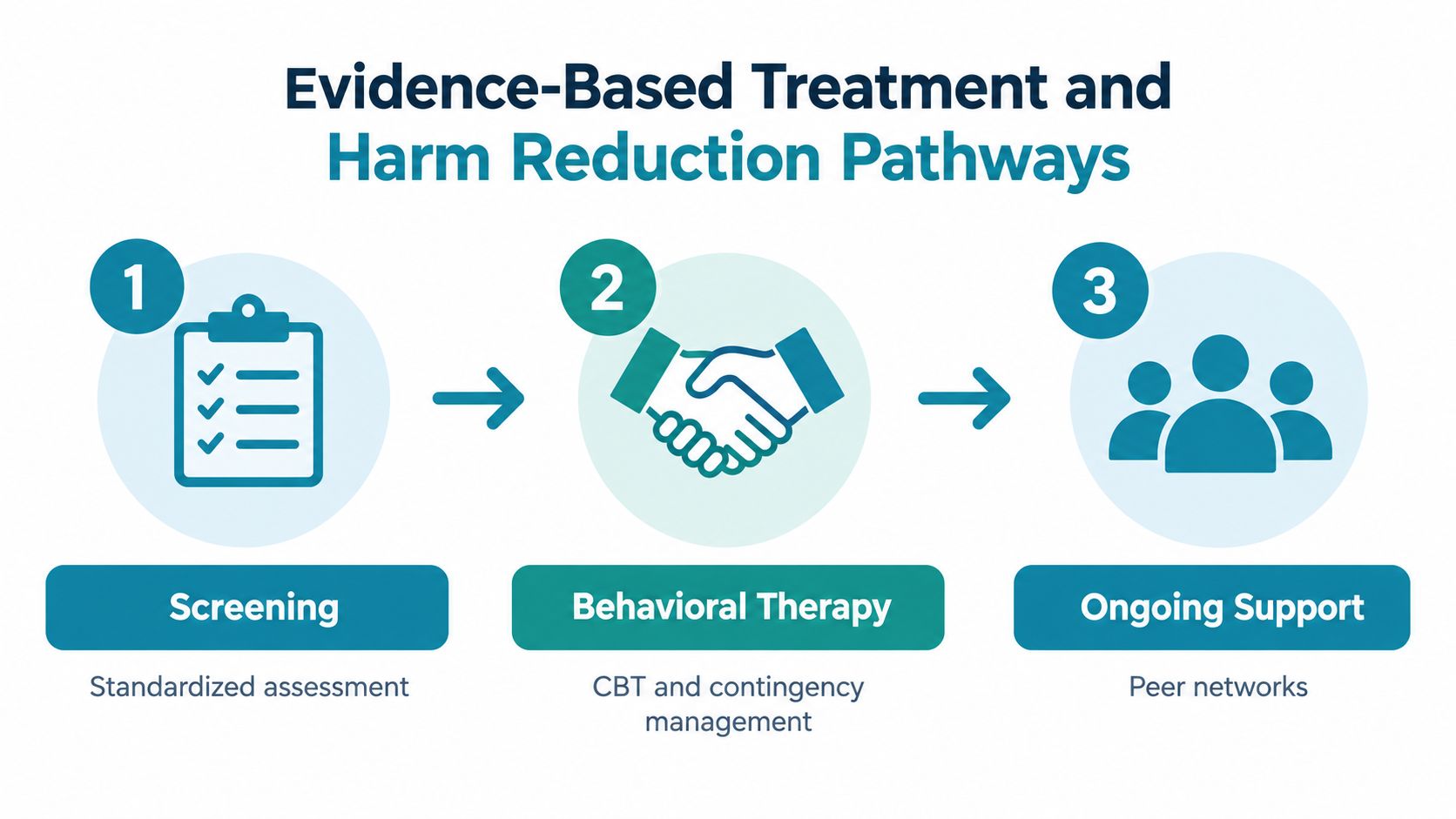
Contingency management has the strongest evidence among behavioral treatments for stimulant-use disorder. It uses clearly defined goals and structured incentives to reinforce behaviors such as attending appointments, completing treatment activities, or providing substance-free tests when that approach is clinically and ethically appropriate. The intervention isn't a bribe or a moral judgment. It's a behavioral strategy designed to strengthen recovery-related actions while motivation, sleep, mood, and reward processing are disrupted.
Cognitive behavioral therapy and motivational interviewing may also contribute to care. Their usefulness depends on the individual's symptoms, goals, cognitive capacity, safety, and access to a trained clinician. Behavioral treatment works better when it's practical, consistent, and adapted to the person's living situation rather than delivered as a generic lecture.
What comprehensive care adds
Harm reduction doesn't require a person to have reached a particular recovery milestone. It means reducing preventable injury while keeping a relationship with care open. Depending on the clinical situation, that may include:
- Overdose planning: Discussing emergency warning signs and polysubstance exposure, including synthetic opioids.
- Infectious-disease care: Offering appropriate screening, vaccination, and treatment coordination when risk is present.
- Cardiovascular monitoring: Assessing symptoms and medical risk rather than assuming every complaint is anxiety.
- Psychiatric support: Evaluating paranoia, depression, suicidality, trauma, and other co-occurring concerns.
- Retention planning: Making appointments accessible and building follow-up around sleep, mood, cravings, functioning, and safety.
Evidence remains limited in some areas, including long-term follow-up, personalized engagement strategies, hybrid models, and stepped-care approaches. A thoughtful plan acknowledges those limitations instead of promising a single medication or a uniform recovery timeline. Adults considering structured outpatient evaluation may review addiction medicine specialist care as one possible starting point.
Outpatient Medical Care and Recovery Planning
A physician-led outpatient plan should distinguish immediate stabilization from longer-term recovery work. It should also account for the fact that sleep deprivation, paranoia, cardiovascular symptoms, dental problems, and co-occurring mental health conditions may require different forms of support.
A hypothetical composite example
Hypothetical composite, not an Empire patient: An adult presents after several sleepless days with intense suspiciousness and paranoia. The first priority isn't to begin a long-term behavioral schedule or discuss medication changes. The clinician assesses immediate safety, current intoxication, suicidal or violent thoughts, hallucinations, chest symptoms, neurological warning signs, hydration concerns, and possible exposure to opioids or other drugs.
If the person appears medically or psychiatrically unstable, outpatient care isn't the right setting for immediate management. Emergency evaluation takes priority. If urgent danger is excluded and the person can participate in care, the clinician can establish a short-interval follow-up plan focused on sleep, mood, cardiovascular symptoms, mental status, and continued assessment of substance exposure.
How follow-up becomes structured
After stabilization, a contingency-management pathway can pair regular visits with specific recovery behaviors and supportive behavioral treatment. The clinical team may coordinate with an outside therapist, intensive program, primary care clinician, dentist, infectious-disease service, or emergency department when useful and authorized. The plan should be adjusted if paranoia returns, sleep worsens, chest symptoms develop, or the person can't safely participate in outpatient care.
Lab testing isn't automatically the same for every person who uses crystal methamphetamine. Testing decisions depend on symptoms, medical history, route and pattern of exposure, sexual and injection-related risks, medications, and findings from the assessment. A clinician may consider cardiovascular evaluation, infectious-disease screening, or other testing when clinically indicated, but no responsible plan should promise a fixed panel without examining the patient.
Empire Medical Wellness offers confidential outpatient addiction medicine assessment, monitoring, recovery planning, and coordination with outside clinicians or programs when useful and authorized. It doesn't provide emergency, detoxification, inpatient, residential, partial-hospitalization, or intensive-outpatient services.
Navigating Access and Next Steps in Care
Private outpatient addiction medicine is generally designed for adults who are medically appropriate for outpatient evaluation, not for people experiencing an active emergency. A first visit typically focuses on substance history, current symptoms, sleep, mood, cardiovascular concerns, other medications and substances, safety, and the level of care that fits the situation. Follow-up then tracks response, engagement, changing risks, and coordination needs.
Telemedicine can make assessment and follow-up more accessible for adults physically located in New York, New Jersey, Connecticut, Pennsylvania, or Virginia, with in-person appointments also available. Privacy still requires a safe setting, a reliable connection, and an honest discussion of where the patient is physically located during the visit. A clinician may recommend emergency or higher-intensity care if the presentation exceeds outpatient capacity.
Practical questions before scheduling
Consider asking:
- What level of care fits my current symptoms? Outpatient care isn't appropriate for every presentation.
- How will you monitor sleep, mood, cardiovascular symptoms, and safety? These issues can change quickly after stimulant exposure.
- How will behavioral treatment be coordinated? Contingency management and other therapies may involve outside programs.
- What happens if symptoms become urgent? A clear emergency plan should be established before routine follow-up.
- What are the payment terms? Empire Medical Wellness is a private-pay practice, doesn't bill insurance directly, and provides an itemized receipt through the patient portal. Current standard appointments are a 50-minute initial evaluation for $350 and a 25-minute follow-up for $225.
Substance use can also create legal concerns, but medical care and legal representation serve different purposes. If criminal allegations are part of the situation, a resource about fighting drug distribution allegations in Illinois may help explain why legal advice should come from a qualified attorney rather than a medical practice.
Recovery planning should be private, realistic, and responsive to risk. It shouldn't depend on shame, a single test, or a promise that one intervention will work for everyone.
Empire Medical Wellness provides private-pay, physician-led outpatient addiction medicine assessment, monitoring, recovery planning, and authorized coordination with outside treatment professionals for adults who need thoughtful care related to substance use. Visit Empire Medical Wellness to review the practice's addiction medicine services and determine whether an outpatient evaluation is an appropriate next step. This article is educational and isn't personal medical advice.