
You may be comparing Mounjaro strengths, wondering whether 2.5 mg is enough, or trying to understand what happens after a missed injection. The FDA-labeled Mounjaro dosage starts at 2.5 mg once weekly for four weeks, then moves to 5 mg once weekly. The starting dose is intended for treatment initiation, not long-term glycemic control, and every later adjustment should be guided by a prescriber.
This guide focuses on the labeled schedule, administration, missed doses, side effects, medication interactions, and the practical decisions that can make a rigid dose ladder difficult to follow. Mounjaro is a prescription medication. The information below can help you prepare for a clinical conversation, but it cannot replace an individualized assessment.
Byline: Empire Medical Wellness Editorial Team
Published: August 16, 2026
Updated: August 16, 2026
Table of Contents
- What Mounjaro Dosage Means and Why It Starts Low
- The Labeled Mounjaro Dose Escalation Schedule
- How to Administer a Mounjaro Dose
- Missed Doses and Pauses in Treatment
- Finding the Right Maintenance Dose for You
- Common Side Effects and What to Watch For
- Drug Interactions and Conditions That Require Caution
- Monitoring Before Each Dose Adjustment
- Why More Mounjaro Is Not Always Better
- Questions to Ask Your Prescriber About Mounjaro Dosage
What Mounjaro Dosage Means and Why It Starts Low
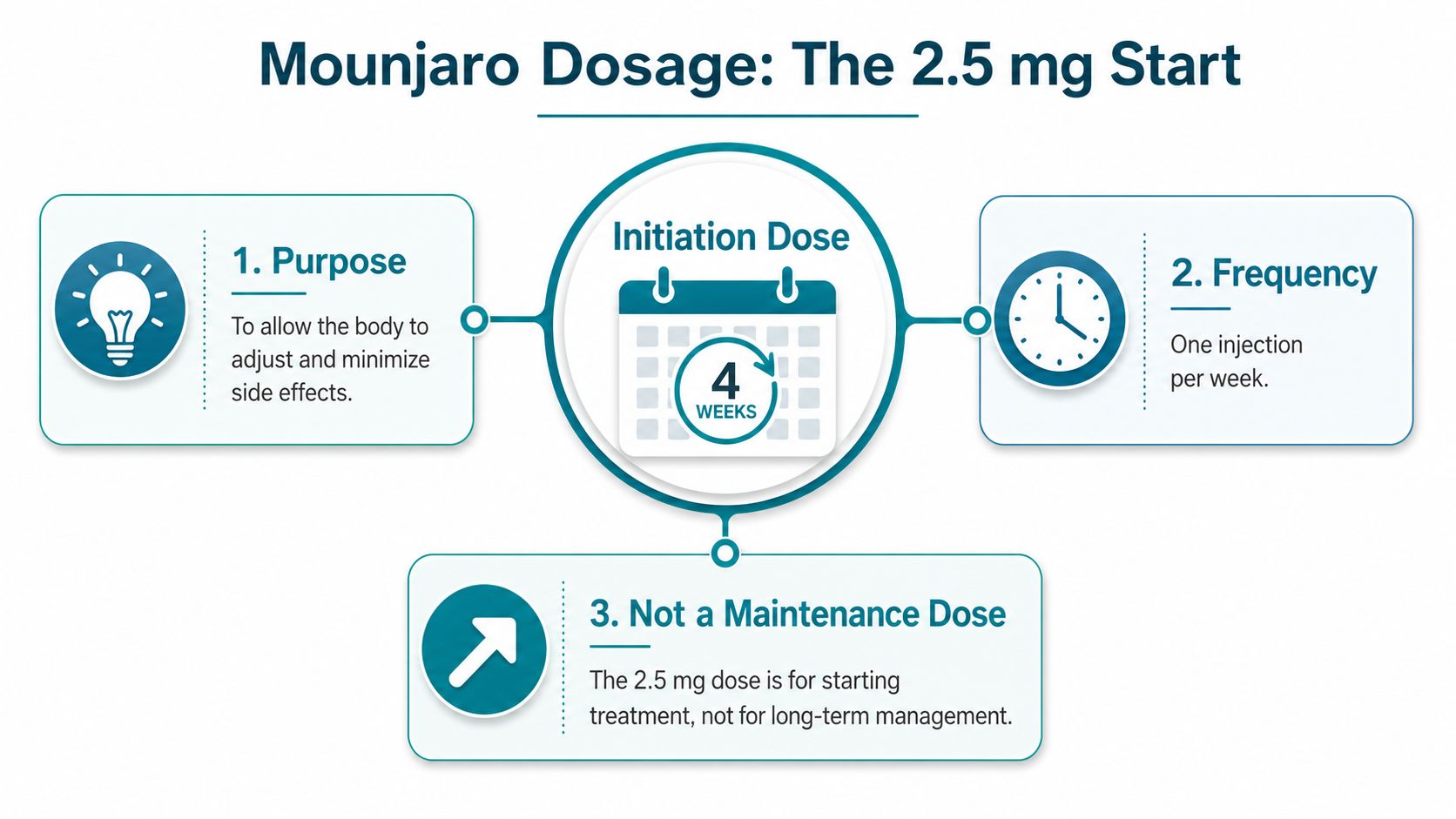
The FDA-labeled Mounjaro starting dosage is 2.5 mg injected once weekly for four weeks. This dose is for treatment initiation, not therapeutic maintenance for blood sugar control, as stated in the FDA prescribing information. After the initial period, the labeled plan moves to 5 mg once weekly, with further increases considered only when additional control is needed and the patient tolerates treatment.
Mounjaro contains tirzepatide, a medication that acts on two hormonal pathways involved in appetite and glucose regulation, known as GIP and GLP-1. In plain language, it can influence how the body handles blood sugar and how fullness is experienced after eating. That mechanism doesn't mean every person will respond in the same way, and it doesn't make dose changes interchangeable between patients.
Three terms that prevent confusion
- Titration means gradually adjusting a medication dose. With tirzepatide, the labeled increases are separated by a minimum interval so the prescriber can evaluate response and tolerability.
- Maintenance dose means the ongoing weekly dose used after initiation and escalation. It isn't automatically the highest available strength.
- Maximum dose means the upper limit in the prescribing information. For Mounjaro, that ceiling is 15 mg once weekly, but reaching it isn't the purpose of treatment.
Mounjaro is the brand name for tirzepatide used for type 2 diabetes. Tirzepatide is also marketed as Zepbound under separate obesity-treatment labeling. The molecule and core escalation mechanics are related, but the indication, labeling context, and clinical goals must remain clear. A discussion of Mounjaro for diabetes shouldn't be treated as automatically interchangeable with obesity-treatment prescribing.
The low starting dose gives the body time to adjust, particularly to gastrointestinal effects. Only a prescriber should decide whether and when to continue escalation.
The Labeled Mounjaro Dose Escalation Schedule
A patient may reach the first follow-up visit feeling well on 5 mg, while another may still have nausea or need more glucose control. The FDA-labeled schedule sets the earliest timing for an increase, but the prescriber decides whether that increase should happen.
Mounjaro uses 2.5 mg increases no more often than every four weeks. The U.S. prescribing information lists six strengths: 2.5 mg, 5 mg, 7.5 mg, 10 mg, 12.5 mg, and 15 mg. The Mounjaro prescribing information from Eli Lilly identifies 5 mg, 10 mg, and 15 mg as usual maintenance doses.
| Step | Weekly dose | Minimum duration | Clinical role |
|---|---|---|---|
| Initiation | 2.5 mg | 4 weeks | Starting dose, not a maintenance target for glycemic control |
| First maintenance option | 5 mg | At least 4 weeks before any further increase | First labeled maintenance option |
| Escalation | 7.5 mg | At least 4 weeks before any further increase | Intermediate step when additional control is needed |
| Maintenance or escalation | 10 mg | At least 4 weeks before any further increase | Labeled maintenance option or step toward a higher dose |
| Escalation | 12.5 mg | At least 4 weeks before any further increase | Intermediate step before the maximum |
| Maximum | 15 mg | Determined by clinical response and tolerability | Maximum weekly dose, not an automatic target |
Four weeks gives the prescriber time to assess both treatment response and tolerability. Gastrointestinal effects, such as nausea or altered bowel habits, may appear or become more noticeable after an increase. That information helps determine whether to continue, pause, or change the plan.
Practical rule: The four-week interval creates the earliest possible increase. It does not require one.
A person doing well at 5 mg may remain there rather than move immediately to 7.5 mg. A person with ongoing symptoms may need a pause, evaluation, or another adjustment. Dose decisions should reflect the treatment indication, observed response, glucose goals when relevant, and side effects. A supply interruption can also change the plan, so patients should contact the prescriber before restarting or changing doses rather than treating the schedule like an automatic staircase.
Adults seeking physician-supervised obesity care can use Mounjaro treatment information to prepare questions for that discussion. The maintenance dose is the dose that provides an appropriate balance of benefit and tolerability, not necessarily the highest available strength.
How to Administer a Mounjaro Dose
Before the first injection, a clinician or dispensing pharmacist should demonstrate the prescribed pen and technique. Mounjaro is administered subcutaneously, meaning it enters the fatty tissue beneath the skin, not a vein or muscle. Labeled sites include the abdomen, thigh, or upper arm. The prescriber or pharmacist can also explain how to rotate sites and what to do if the device does not work as expected.

Mounjaro may be injected at any time of day, with or without meals. A consistent weekday can support adherence, while keeping the prescribed weekly interval remains the priority. Store the medication according to its current product labeling, including refrigeration and any permitted room-temperature handling.
Use each single-dose pen exactly as described in its instructions for use. Do not inject medication that appears discolored or contains particles. A pharmacist or prescriber should assess an unusual-looking product before use.
The tirzepatide guide from Empire Medical Wellness can help organize questions about injection technique and storage before an appointment. Those materials do not replace individualized instruction, particularly if a patient is unsure whether a dose was delivered.
The following video provides general visual education. It does not replace training from your clinician or pharmacist.
Missed Doses and Pauses in Treatment
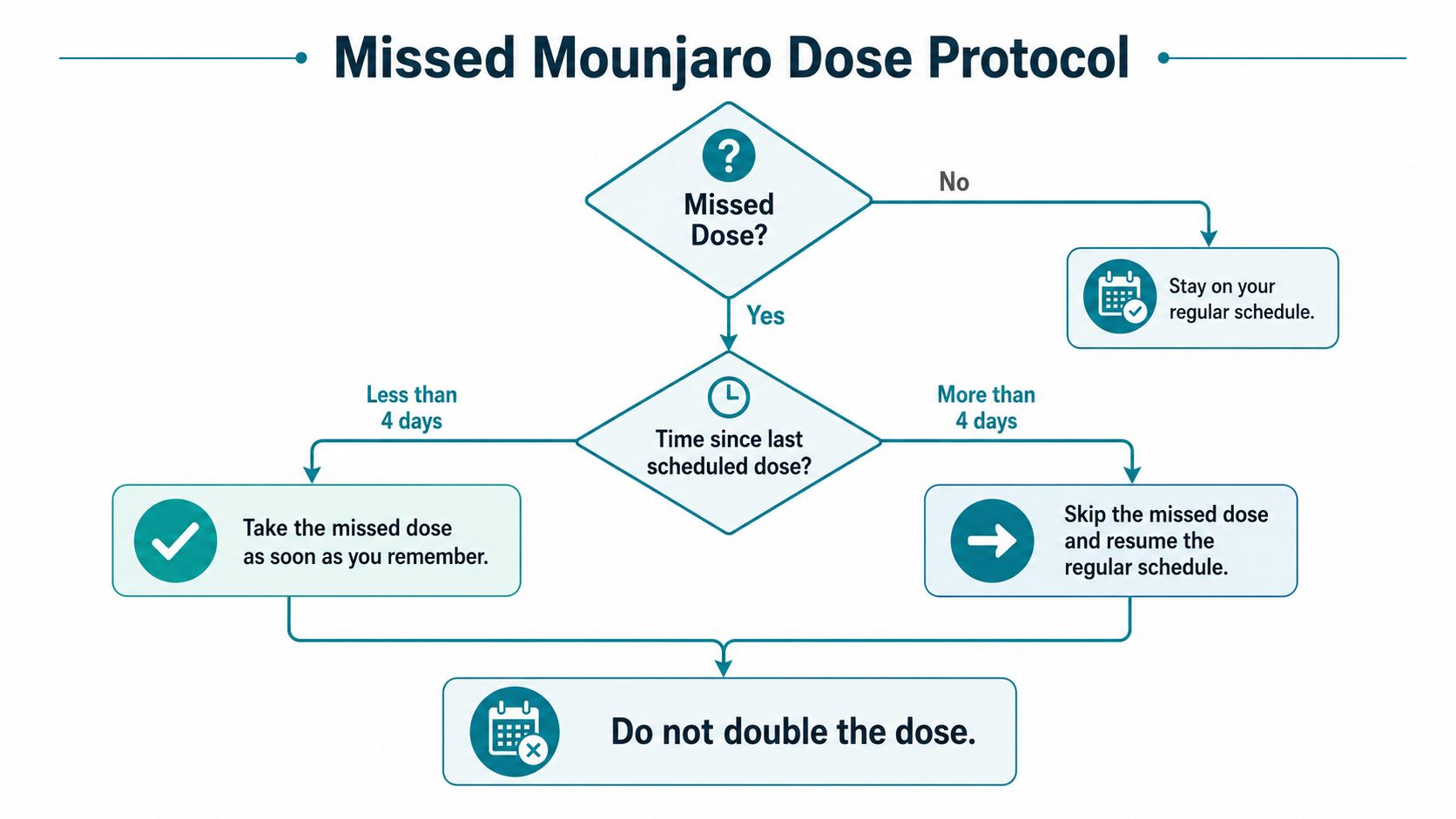
For one missed Mounjaro dose, follow the FDA-labeled timing rule. Inject it within four days of the scheduled day. After more than four days, skip it and take the next dose on the regular weekly schedule. Keep at least three days between injections. The official medication instructions provide the prescribing details.
A longer interruption is a different decision. A supply gap, difficult gastrointestinal symptoms, or several missed injections may change how safely treatment can resume. The prescriber may advise staying at the current strength, repeating an earlier step, or restarting lower. That choice depends on the interruption's length, previous tolerability, the available product, and the treatment indication.
When supply changes the plan
Pharmacy availability can interrupt a planned escalation. Do not replace the prescribed strength, combine pens, shorten the interval between injections, or restart after a prolonged pause without prescriber direction. A lower available strength may not be an automatic substitute, because the appropriate plan depends on recent doses and how your body handled them.
If titration reaches the highest tolerated dose without meaningful benefit, arrange a clinical review rather than stopping independently. The clinician can reassess the diagnosis, treatment goals, adherence, safety, and other approaches. The prescriber's judgment guides both the pause and the restart.
Finding the Right Maintenance Dose for You
A maintenance dose is the dose used for ongoing treatment. It isn't synonymous with the maximum dose. Under the Mounjaro label, 5 mg, 10 mg, and 15 mg once weekly are usual maintenance options, while 7.5 mg and 12.5 mg function as intermediate strengths in the escalation ladder.
The practical aim is usually the lowest appropriate dose that supports the treatment goal with acceptable tolerability. That could mean remaining at a lower maintenance strength, or it could mean continuing upward after clinical review. A prescriber may consider blood sugar response, appetite and eating patterns, adverse effects, other medications, medical history, and the indication for treatment.
Maintenance also requires a long-term perspective. In the SURMOUNT-MAINTAIN evidence summary, continuing tirzepatide after initial weight loss was associated with better preservation of results than stopping treatment, and summaries of that evidence describe benefit with a 5 mg maintenance dose compared with discontinuation. This evidence concerns obesity-treatment research and shouldn't be presented as a guarantee for any individual or as proof that every patient should continue medication.
The useful question isn't “How quickly can I reach the highest dose?” It's “Which dose supports my goals without creating an unacceptable treatment burden?”
A plateau can be part of a maintenance discussion rather than an automatic reason to escalate. Adults considering a structured approach can learn more about physician-supervised obesity medicine and bring their treatment history to a qualified prescriber.
Common Side Effects and What to Watch For
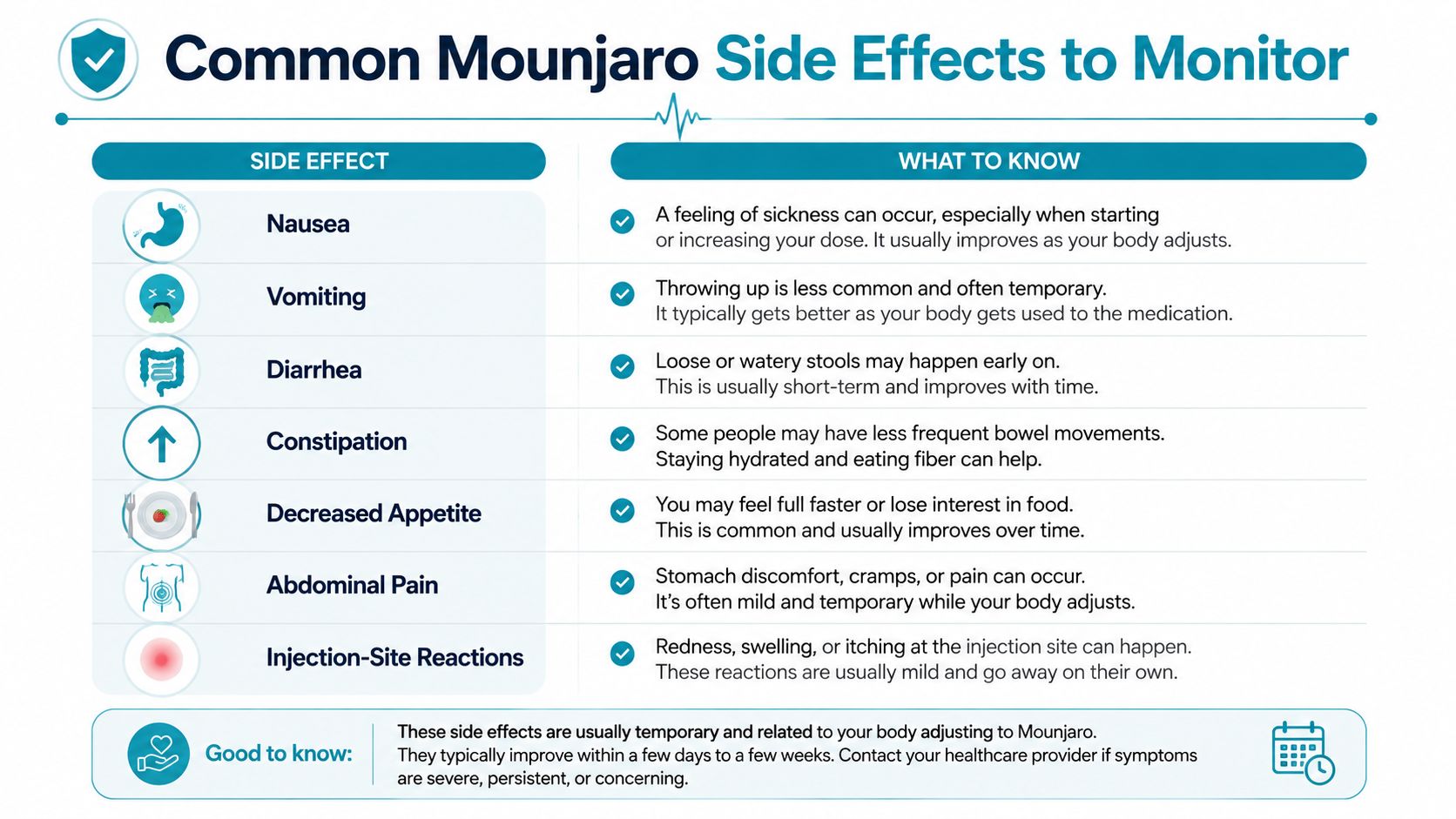
A mild upset stomach after starting or increasing Mounjaro can reflect the body adjusting to its effect. Commonly reported problems include nausea, vomiting, diarrhea, constipation, decreased appetite, abdominal pain, and injection-site reactions. If symptoms persist, worsen, or interfere with drinking, eating, or taking other medicines, pause any planned dose increase and contact the prescriber. The prescriber should decide whether to hold the current dose, adjust treatment, or investigate another cause.
Call the prescriber about
- Persistent gastrointestinal symptoms: Report nausea, vomiting, diarrhea, constipation, or abdominal discomfort that continues or makes hydration, nutrition, or regular medicines difficult.
- Possible gallbladder symptoms: New upper abdominal pain, fever, jaundice, or unusual pain after meals needs prompt assessment.
- Repeated low-glucose symptoms: Shaking, sweating, confusion, weakness, or a fast heartbeat may indicate hypoglycemia, particularly with insulin or a sulfonylurea. Follow the clinician's instructions for responding.
- Injection-site changes: Report a reaction that is severe, spreading, painful, or accompanied by other symptoms.
Seek emergency care for
Severe or persistent abdominal pain, especially pain that travels toward the back, can signal pancreatitis and requires urgent evaluation. Difficulty breathing, facial or throat swelling, widespread hives, or faintness may indicate a serious allergic reaction. Treat these symptoms as an emergency.
Do not wait for a routine visit if symptoms rapidly worsen. This Mounjaro side-effect information may help you prepare questions, but only the treating clinician can assess your symptoms and decide whether the dose should change.
Drug Interactions and Conditions That Require Caution
Before prescribing Mounjaro, the clinician should review the full medication list, allergies, and relevant medical history. That review includes prescription drugs, over-the-counter products, vitamins, and supplements. A medication that seems unrelated can still matter if it affects glucose, digestion, or the timing of oral drug absorption.
The most important interaction categories include:
- Insulin and sulfonylureas: Combining Mounjaro with insulin or an insulin secretagogue, such as a sulfonylurea, can increase hypoglycemia risk. The prescriber may need to review the accompanying diabetes regimen.
- Oral medications: Tirzepatide can delay gastric emptying, which may affect the absorption of some oral medicines. Oral contraceptives deserve a specific discussion with the prescriber because the label includes precautions around this issue.
- Other GLP-1 medicines: Mounjaro shouldn't be combined with another tirzepatide product or another GLP-1 receptor agonist unless a qualified clinician has specifically determined an appropriate plan.
- Medicines affecting gastrointestinal function: Drugs that already alter stomach emptying or bowel movement may complicate symptom interpretation and tolerability.
Mounjaro is contraindicated in people with a personal or family history of medullary thyroid carcinoma, people with Multiple Endocrine Neoplasia syndrome type 2, and anyone with a known serious hypersensitivity to tirzepatide or its ingredients. These are label-based safety issues, not conditions to self-screen casually.
Patients should tell the prescriber about prior allergic reactions, thyroid cancer history, severe gastrointestinal disease, gallbladder problems, pancreatitis, diabetes medications, and planned pregnancy or contraceptive needs. The clinician's review must lead the decision.
Monitoring Before Each Dose Adjustment
A patient arrives for a planned dose increase but reports persistent nausea and reduced fluid intake. The calendar alone does not determine the next Mounjaro dose. Before increasing it, the prescriber reviews tolerance, hydration, nutrition, gastrointestinal symptoms, weight trends when relevant, and progress toward the treatment goal.
For type 2 diabetes, glucose patterns and symptoms suggesting hypoglycemia receive particular attention. The clinician may also decide whether insulin or a sulfonylurea regimen needs adjustment alongside tirzepatide. Patients should not change those medicines themselves to offset a new Mounjaro dose.
A practical review framework
- Tolerability: Are symptoms mild and improving, or do they interfere with daily activities?
- Hydration and nutrition: Can the patient drink enough and maintain appropriate nourishment?
- Treatment response: Is the current dose supporting the agreed glucose, metabolic, or weight-management goal?
- Safety: Are there warning symptoms involving the abdomen, gallbladder, pancreas, kidneys, or an allergic reaction?
- Continuity: If supply or access changes, does the patient understand whom to contact before pausing or repeating a dose?
A dose increase may need to wait when symptoms remain significant, intake is poor, or the clinical picture is unclear. The prescriber may continue the current dose, delay escalation, or set a different follow-up plan.
In physician-supervised obesity medicine, ongoing review can include a weight plateau, preservation of lean mass, and whether the current dose remains suitable for maintenance. Visit timing, monitoring, and laboratory testing depend on the individual. The prescriber determines the plan.
Why More Mounjaro Is Not Always Better
15 mg is the labeled maximum strength, not a target every patient must reach. Increasing the dose can increase treatment burden, especially if gastrointestinal symptoms worsen. If the current dose is meeting the agreed clinical goal, moving higher may add little value.
The starting dose requires a different explanation. 2.5 mg is an initiation dose, not a therapeutic maintenance dose for glycemic control. Remaining at that strength indefinitely may not provide the intended treatment effect. The prescriber must weigh response and tolerability before deciding whether to enter a labeled maintenance range.
Use three questions to guide the discussion:
- Is the current dose producing meaningful benefit?
- Are side effects acceptable and manageable?
- Would a higher dose offer enough additional benefit to justify greater burden?
A practical example is a patient whose glucose or weight-related goal is improving, while nausea makes eating and drinking difficult. The prescriber may hold the dose rather than escalate it. Conversely, limited benefit with acceptable tolerability may support a carefully supervised increase.
Supply interruptions, affordability, and access can disrupt continuity. They do not support self-directed changes. Contact the prescriber before pausing, repeating, or restarting a dose. The clinician can decide whether to repeat a step, delay escalation, or choose another plan based on the treatment history and available supply.
Obesity treatment is not a race toward the highest strength. Maintenance dosing is individualized, matching treatment intensity with medical goals, tolerability, and safety.
Questions to Ask Your Prescriber About Mounjaro Dosage
在開始第一次注射、調高劑量,或遇到藥品供應中斷前,先把以下問題帶給處方醫師。重點不是自行選擇劑量,而是了解醫師會依據哪些資訊作決定:
- 我治療的是第二型糖尿病,還是依其他 tirzepatide 適應症處理體重問題?
- 為什麼目前起始劑量適合我?何時重新評估?
- 哪些症狀表示我應在下次注射前聯絡醫師?
- 什麼情況會讓您暫停調高、重複目前階段,或退回較低劑量?
- 哪些血糖讀數、症狀、檢查或實驗室結果會影響調整?
- 胰島素、磺醯脲類、口服避孕藥或其他口服藥物需要怎樣安排?
- 如果藥局無法提供下一個劑量,我應該怎麼做?
- 若療效趨於穩定,怎樣的維持計畫能兼顧目標、副作用與安全性?
- 若我需要停藥或錯過劑量,何時可以恢復,是否要重複某個階段?
供應、費用或取得管道可能打亂治療連續性,卻不代表可以自行重複、暫停或重啟劑量。先聯絡處方醫師,讓醫師根據治療紀錄與現有藥品決定下一步。需要私人醫療評估的成人,也可了解沒有保險的線上 GLP-1 照護。適用適應症、藥物選擇與劑量仍須個別評估。
Sources
- FDA Mounjaro prescribing information
- Current U.S. Mounjaro prescribing information
- FDA medication instructions for tirzepatide administration and missed doses
- Mounjaro official use information
- Tirzepatide obesity-treatment dosing context
This article is educational and isn't personal medical advice.
Empire Medical Wellness provides physician-led obesity medicine evaluations, individualized medication planning when clinically appropriate, and ongoing monitoring for adults seeking private care. Visit Empire Medical Wellness to learn about the practice and request information about an evaluation.