
If you're considering Mounjaro or you've just started tirzepatide, the most likely side effects are stomach and bowel symptoms, especially nausea, diarrhea, vomiting, constipation, and abdominal discomfort. The good news is that these are well described in the FDA's clinical data, and the more serious risks are less common, but they do need to be recognized early. For adults getting physician-led obesity care, the key question is usually not “Will I have side effects?” It's “Which symptoms are expected, and which ones should I call about?”
This article focuses on that decision point. You'll see what mounjaro side effects usually look like, why they happen, when they often show up, and how clinicians think about the line between routine adjustment and warning signs. If you're also sorting out food choices during treatment, blood sugar nutrition advice can be a useful general reference alongside your prescribing clinician's guidance, especially if appetite changes make meals feel unpredictable.
Table of Contents
- What Most People Want to Know About Mounjaro Side Effects
- How Tirzepatide Works and Why Side Effects Happen
- Common Side Effects and How Often They Occur
- When Symptoms Typically Appear and How Long They Last
- Practical Ways to Manage Common Symptoms
- Serious Risks and the Expected Versus Not Expected Framework
- Drug Interactions, Pregnancy, and High-Risk Situations
- Monitoring, Red Flags, and When to Talk With a Clinician
What Most People Want to Know About Mounjaro Side Effects
If you're starting tirzepatide, the main thing to know is that gastrointestinal side effects are the usual pattern, not a surprise complication. The FDA's review of Mounjaro found nausea, diarrhea, and vomiting as the most common reactions, and those effects were clearly dose-related in the trial data. The more serious events matter too, but they're not the everyday experience. Mounjaro's FDA Drug Trials Snapshot is the clearest public summary of that balance.
What that means in real life
People often feel uneasy because they don't know whether a symptom means the drug is “working” or “causing harm.” In practice, a mild queasy stomach after a new dose often fits the expected pattern, especially if it settles as the body adjusts. Severe pain, repeated vomiting, dehydration, or vision changes are different. Those deserve prompt attention.
Practical rule: mild digestive symptoms after dose changes are common, but symptoms that keep intensifying, limit fluids, or feel unlike your usual medication adjustment should be discussed with a clinician.
This is the same reason clinicians focus so much on meal planning, hydration, and follow-up during titration. It's also why adults comparing treatment options sometimes look at broader medication choices, including GLP-1 versus phentermine, before deciding what kind of monitoring they want.
For people building a nutrition plan while adjusting to appetite change, the main goal is usually steadiness. Small, tolerable meals and enough fluid often matter more than chasing a perfect diet. That's also why obesity medicine visits tend to focus on symptoms, daily function, and tolerance, not just the prescription itself.
How Tirzepatide Works and Why Side Effects Happen
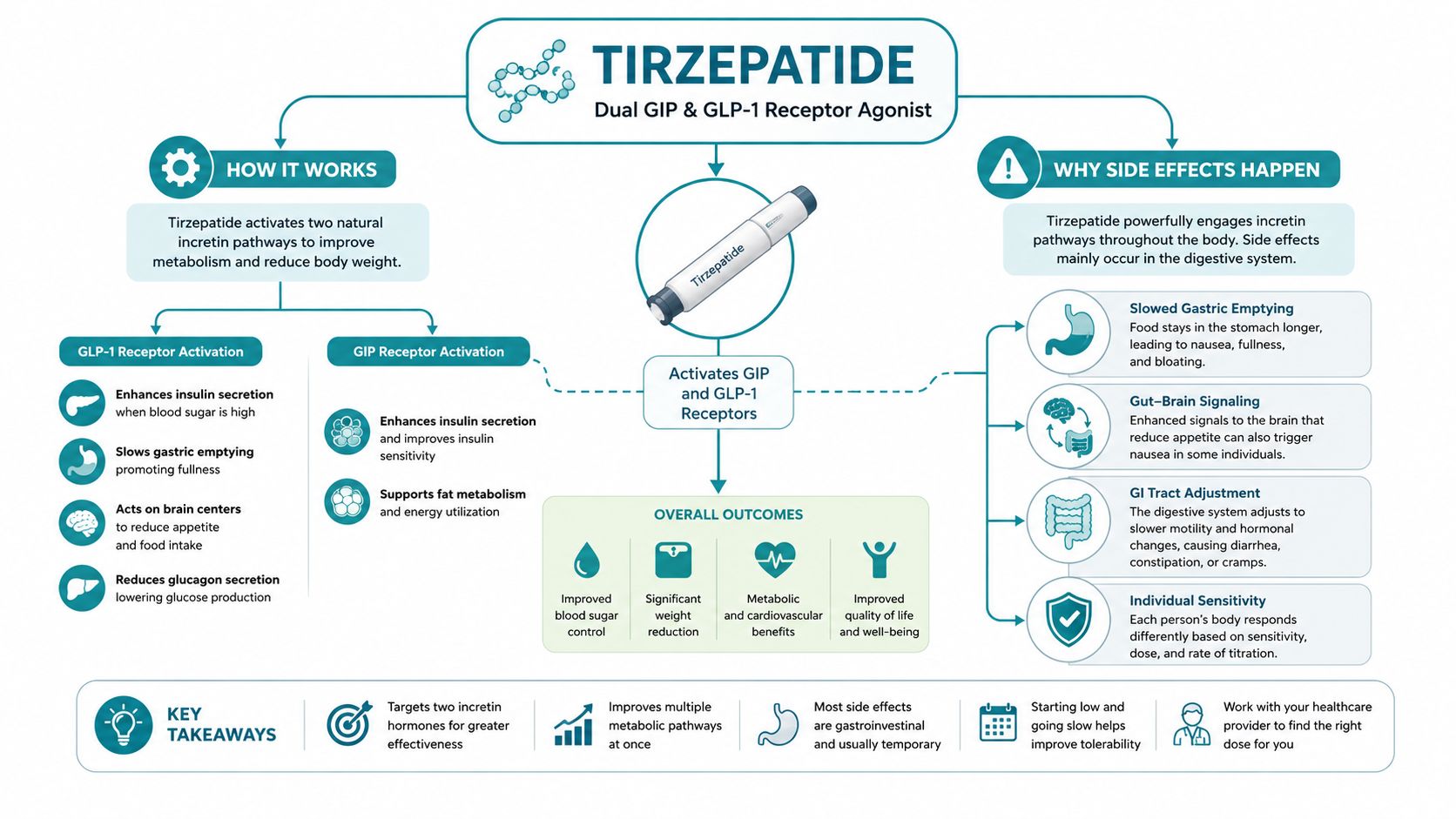
A person may start tirzepatide expecting appetite changes, then notice that meals sit differently, nausea comes and goes, or fullness arrives much earlier than before. Those changes make more sense once you understand what the medication is doing in the body.
Tirzepatide is a dual GIP and GLP-1 receptor agonist. In plain terms, it acts on two hormone pathways that help regulate appetite, insulin release, and digestion. GLP-1 stands for glucagon-like peptide-1, and GIP stands for glucose-dependent insulinotropic polypeptide. The names are technical, but the basic idea is simple. The drug changes how the body responds after you eat, so the timing and volume of digestion shift.
Why the stomach feels slower
One major effect is slowing gastric emptying, which means food leaves the stomach more slowly. That can make you feel full sooner, and it can also lead to nausea, fullness, or a heavy feeling after meals. The effect is often easier to understand if you compare it with traffic on a narrow road. The cars are still moving, but they move more slowly, so everything behind them builds up for a while.
That slower pace helps explain why one treatment effect and one side effect can appear together. Appetite drops because the body receives stronger satiety signals, yet the same change can also make the stomach feel unsettled, especially early in treatment or after a dose increase.
People comparing tirzepatide with other GLP-1 medications sometimes also review how Ozempic works so they can see where the effects overlap and where they differ.
Why this is usually a class effect
Gastrointestinal effects are the main safety issue with Mounjaro, and they are part of the expected pattern for this kind of medicine. Regulatory reviews describe these effects as generally mild or moderate, with symptoms showing up more often during dose changes. That fits the biology. The gut is adapting to a new signaling pattern, so temporary digestive symptoms are common while the system settles into the new rhythm.
The key point is that nausea or early satiety is not automatically a warning sign. It often reflects the medication's intended physiology. What matters is severity, duration, and whether you can still drink, eat enough, and function normally. If symptoms stay mild and improve as your body adjusts, they usually fit the expected adjustment pattern. If they become intense, persistent, or interfere with hydration, they need a different level of concern.
Common Side Effects and How Often They Occur
People often notice the same pattern early on. The FDA's clinical-trial review shows that the most common adverse reactions were nausea, diarrhea, vomiting, decreased appetite, constipation, dyspepsia, and abdominal pain. In pooled placebo-controlled studies, overall gastrointestinal adverse reactions were reported in 37.1% of patients on 5 mg, 39.6% on 10 mg, and 43.6% on 15 mg, compared with 20.4% on placebo.
Incidence by dose
| Adverse Reaction | Placebo | 5 mg | 10 mg | 15 mg |
|---|---|---|---|---|
| Nausea | 4% | 12% | 15% | 18% |
| Diarrhea | 9% | 12% | 13% | 17% |
| Vomiting | 2% | 5% | 5% | 9% |
| Decreased appetite | at least 5% of treated patients | at least 5% of treated patients | at least 5% of treated patients | at least 5% of treated patients |
| Constipation | at least 5% of treated patients | at least 5% of treated patients | at least 5% of treated patients | at least 5% of treated patients |
| Dyspepsia | at least 5% of treated patients | at least 5% of treated patients | at least 5% of treated patients | at least 5% of treated patients |
| Abdominal pain | at least 5% of treated patients | at least 5% of treated patients | at least 5% of treated patients | at least 5% of treated patients |
The table is useful because it shows the difference between a known side effect and a personal emergency. These digestive symptoms are common enough that clinicians expect to discuss them before treatment starts, especially during dose increases. Nausea and vomiting also become more frequent at higher doses, which is one reason careful titration matters.
A practical way to read this is simple. If the change feels like reduced appetite, mild nausea, or a temporary shift in bowel habits, it often fits the expected adjustment pattern. If you are struggling to keep fluids down, or the pain feels severe, unusual, or steadily worse, that belongs in a different category.
Appetite reduction can be part of the intended effect, while constipation or indigestion may feel like the tradeoff. People sometimes assume any change in digestion means the medicine is unsafe, but the trial data show a more nuanced picture. The common reactions are frequent enough to anticipate, yet they are not all equally serious. For readers looking for broader weight-loss strategies, the goal is to support the intended appetite change while watching for symptoms that cross into warning territory.
When Symptoms Typically Appear and How Long They Last
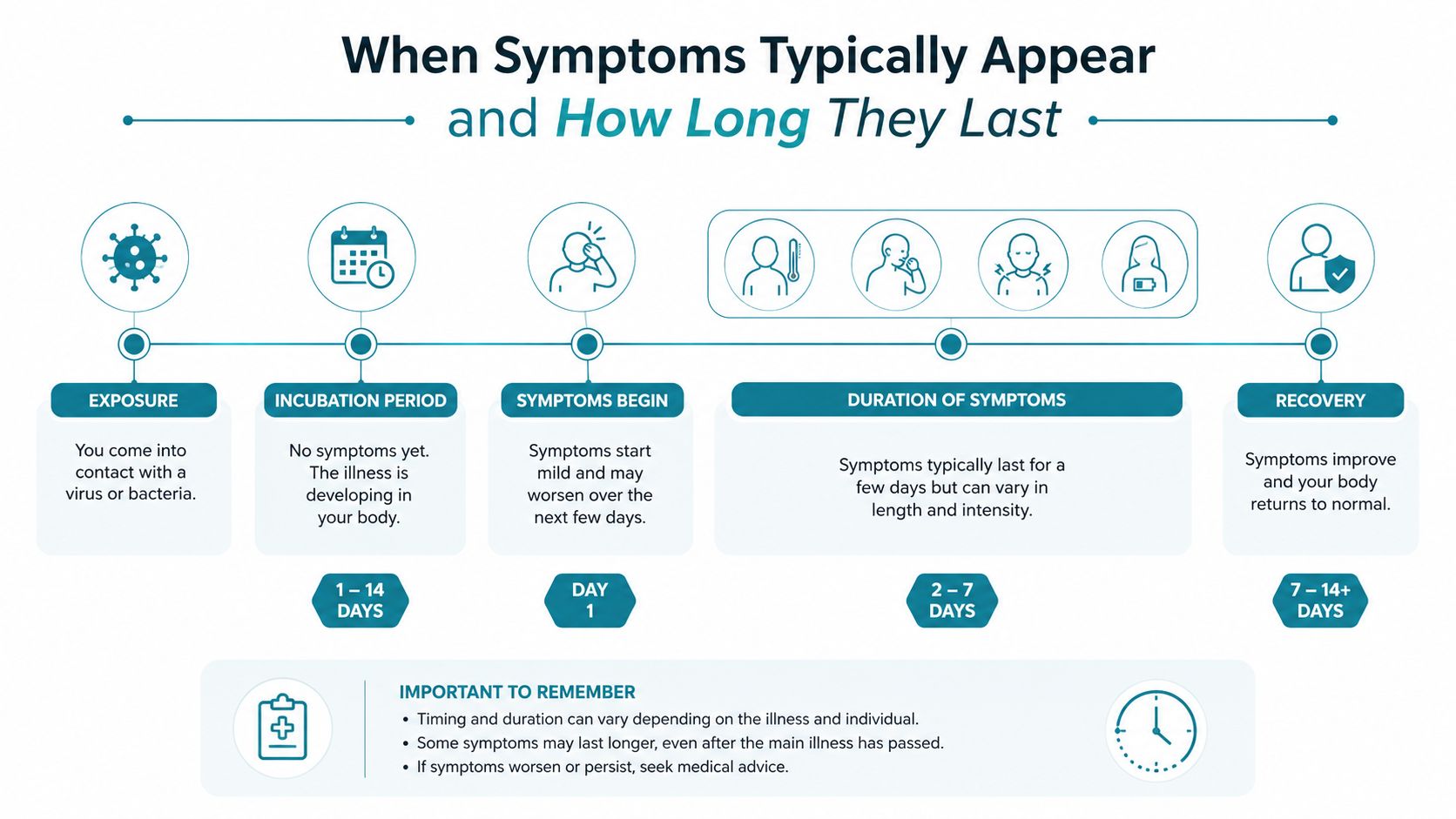
A person may feel fine after starting Mounjaro, then notice nausea, looser stools, or a lower appetite after a dose increase. That timing is common. Lilly's prescribing information says most nausea, vomiting, and diarrhea events happened during dose escalation and then eased over time. That pattern helps explain why a recent increase can feel harder than the prior week. The FDA-style safety message is simple: the body often reacts most during adjustment, especially when the dose changes.
Why the timing matters
The body often needs time to adapt to a new dose, much like adjusting to a steeper step rather than a flat one. That is why prescribers use step-up schedules instead of moving straight to the highest amount. The main clinical idea is tolerance. If the current dose feels difficult to tolerate, that is a sign to pause and reassess, not to assume the medicine has failed.
People often worry when symptoms return after a change. In many cases, that return is expected and temporary. It does not automatically mean the medication has stopped working, and it does not mean every stomach symptom belongs in the same category.
The same timeline can also help with weight-loss timeline expectations. Appetite changes may appear early, while digestive symptoms can come and go as the body adapts. A calmer week on a stable dose and a rougher week right after an increase can both fit the same overall pattern.
A simple way to read the timeline is this. New dose, new adjustment period. Stable dose, often calmer digestion. Another dose increase, a possible short return of nausea or bowel changes.
What readers often misunderstand
Some people expect side effects to behave like an allergy, where the pattern is immediate and constant. Tirzepatide usually does not work that way. Its digestive effects are tied more closely to adaptation, which means the pattern can rise and fall rather than stay fixed.
Others assume symptoms should disappear the moment the body gets used to the medicine. That is too rigid. The adjustment period varies, and different symptoms can fade at different speeds. Nausea may settle first, while constipation or early fullness lingers longer.
If you are tracking how your body responds, the useful question is not just whether you had symptoms. It is whether they settled or became more intense. That distinction is often more informative than the symptom itself, because it helps separate ordinary adjustment from warning signs that need attention.
Practical Ways to Manage Common Symptoms
Simple habits often make the biggest difference during tirzepatide adjustment. Smaller meals, lower-fat choices, and good hydration can ease nausea and help prevent constipation from becoming more bothersome. A practical meal pattern is often easier to tolerate than a large plate at once. If you need a general nutrition reference while figuring out what sits well, balanced meal guidance for weight loss can help you think through meal structure without overcomplicating it.
What patients can bring up with a clinician
- Smaller portions: Ask whether splitting food into smaller meals would be reasonable for you, especially on days when fullness comes on fast.
- Lower-fat choices: Greasy or fried foods often sit poorly when gastric emptying is slower, so many people tolerate lighter meals better.
- Hydration first: Fluids matter if you have diarrhea, reduced appetite, or constipation. Even mild dehydration can make nausea and dizziness worse.
- Dose timing questions: Some people want to know whether a planned dose increase should wait if symptoms are still active. That's a clinician conversation, not a self-adjustment.
- Medication support: Antiemetic or antidiarrheal approaches may be used in some cases, but they should be discussed with the prescribing clinician first.
A concrete example
A person who feels fine at breakfast but nauseated after a large dinner may do better with smaller meals spread across the day. Another person may notice constipation after a dose increase and need better fluid intake and a conversation about whether the current pace of titration is too fast. The useful point is that symptom management is often about pattern recognition, not willpower.
Practical rule: if a change makes symptoms less intense and you can still eat, drink, and function, that's usually more reassuring than symptoms that keep escalating despite your usual adjustments.
This is also where private physician-led care can help. The clinician can separate ordinary adaptation from a pattern that suggests the dose should be reassessed. That's more useful than trying to guess from a generic side-effect list alone.
Serious Risks and the Expected Versus Not Expected Framework
The serious risks listed in FDA labeling include pancreatitis, low blood sugar, kidney problems, severe stomach problems, and diabetic retinopathy complications. Cleveland Clinic also flags dehydration, kidney injury, pancreatitis, gallbladder problems, and change in vision as reasons to seek medical attention. Those warnings matter because the same medication that can cause routine nausea can also hide a bigger problem if the symptoms are severe or unusual. Cleveland Clinic tirzepatide guidance
How to separate routine from concerning
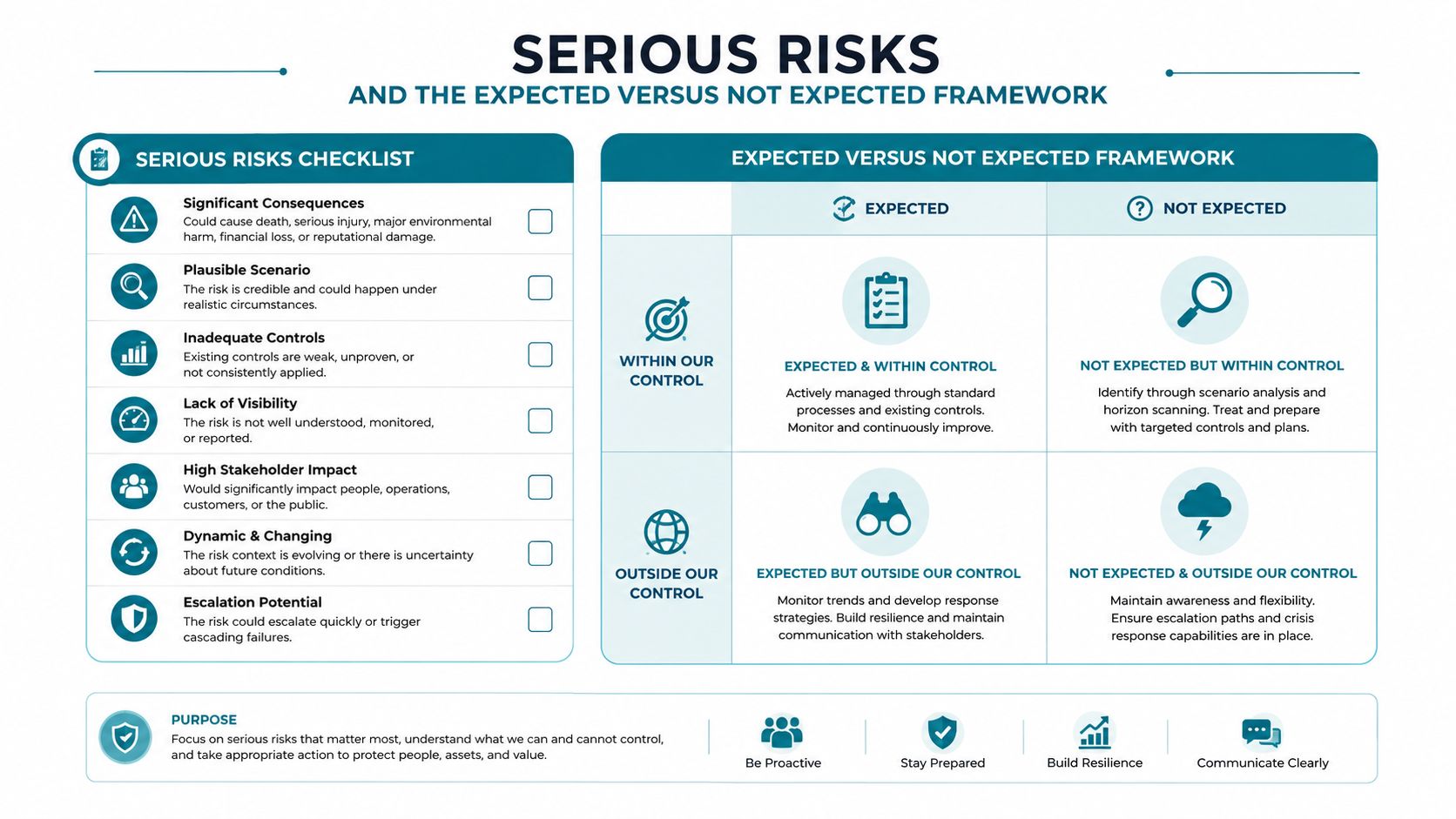
Expected symptoms usually feel like mild to moderate stomach upset, looser stools, constipation, or reduced appetite, especially around dose changes. Not expected symptoms are the ones that are severe, persistent, or paired with other warning signs.
- Pancreatitis: Think severe, persistent upper abdominal pain, especially if it spreads to the back, or pain with repeated vomiting.
- Kidney injury from dehydration: Think dark urine, dizziness when standing, reduced urination, or ongoing vomiting and diarrhea that make it hard to keep fluids down.
- Gallbladder disease: Think new right-sided upper abdominal pain, pain after meals, or yellowing of the skin or eyes.
- Vision changes: Think sudden blurring or any meaningful change in eyesight that's new for you.
- Low blood sugar: This is most relevant when tirzepatide is used with insulin or a sulfonylurea, so symptoms like shakiness, sweating, confusion, or weakness deserve quick attention.
If the symptom is mild and improving, that leans toward routine adjustment. If it is severe, one-sided, persistent, or paired with dehydration or visual changes, that leans toward prompt clinical review.
The framework many readers find useful is simple. Expected means uncomfortable but manageable. Not expected means you need to call a clinician the same day, and sometimes seek urgent care.
Drug Interactions, Pregnancy, and High-Risk Situations
A patient may feel fine on tirzepatide, then notice that another medicine starts acting differently. That happens because tirzepatide slows stomach emptying, so oral medications can be absorbed at a different pace than before. The issue matters most for drugs where timing and absorption need to stay steady, which is why a medication review is more useful than trying to sort it out from an online list.
Situations that deserve extra caution
Pregnancy is one of those situations. Tirzepatide is not recommended during pregnancy, so anyone who could become pregnant should talk with a clinician about contraception and pregnancy planning before and during treatment. A history of pancreatitis, medullary thyroid carcinoma, or multiple endocrine neoplasia type 2 also belongs in the safety discussion, because those conditions change the risk conversation.
Blood sugar-lowering combinations deserve a separate look. Tirzepatide used with insulin or a sulfonylurea can increase the chance of low blood sugar, so shakiness, sweating, confusion, or weakness should be taken seriously rather than dismissed as a vague side effect.
Medication lists matter more than many people expect. Tirzepatide may be appropriate for many adults, but the interaction picture changes when several prescriptions are being used together. If you have ever wondered whether one medication can affect another, that question belongs in good obesity medicine care, especially when plans also include longevity monitoring with tirzepatide. The prescribing clinician should still decide which labs or follow-up steps fit your situation.
Monitoring, Red Flags, and When to Talk With a Clinician
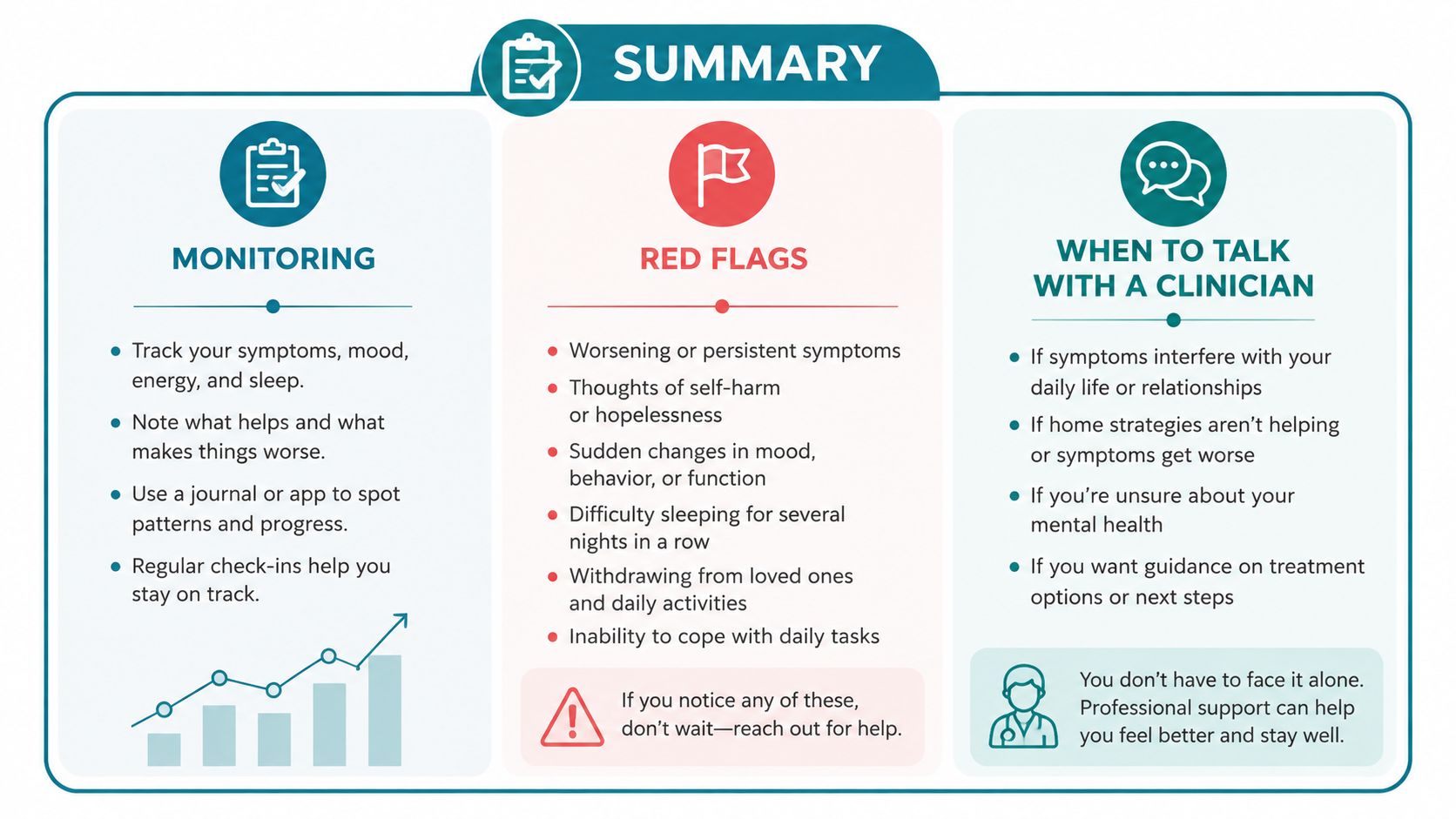
Good follow-up usually means check-ins during dose escalation, a symptom review that asks about fluids and bowel habits, and lab monitoring when it's clinically indicated. The practical goal is to catch dehydration, persistent GI intolerance, or warning signs before they become a bigger problem. Obesity medicine visits are often most useful when they make room for these details instead of focusing only on the prescription.
A simple follow-up mindset
Bring up symptoms that last, intensify, or interfere with eating and drinking. Mention any sharp abdominal pain, repeated vomiting, dark urine, dizziness, reduced urination, or new visual changes right away. If you're on another glucose-lowering medicine and you feel shaky, sweaty, confused, or weak, that also deserves prompt attention.
The point of monitoring isn't to scare people off treatment. It's to keep the benefits and risks in the same conversation. Tolerating the medication improves when patients know what to watch for and when to speak up.
If you want a physician-guided discussion of obesity medicine, Mounjaro monitoring, and side effects in context, Empire Medical Wellness offers adult obesity medicine care with careful follow-up and medication review. You can learn more by visiting Empire Medical Wellness.
This article is educational and not personal medical advice. If you have severe abdominal pain, repeated vomiting, signs of dehydration, or sudden vision changes, contact a clinician promptly or seek urgent care.