
Ozempic is a once-weekly semaglutide injection approved for adults with type 2 diabetes. The FDA also approves it to lower major cardiovascular events in certain adults with type 2 diabetes and established cardiovascular disease, and to reduce the risk of worsening kidney disease, kidney failure, and cardiovascular death in adults with type 2 diabetes and chronic kidney disease.
That's the cleanest starting point, because a lot of people searching for Ozempic are really asking about weight loss, not diabetes care. The medication can lead to weight loss, but weight management is not the FDA-approved indication on the Ozempic label, which is why it helps to separate the approved use from the public conversation around it.
Table of Contents
- What Ozempic Is and What the FDA Has Actually Approved
- How Semaglutide Works in the Body
- Dosing, Titration, and What to Realistically Expect
- Side Effects, Serious Warnings, and Who Should Avoid It
- How Ozempic Compares With Other Anti-Obesity and Diabetes Medications
- Pregnancy, Nutrition, and Other Topics Worth Asking About
- How Physician-Led Obesity Evaluation Differs From Online Prescribing
- Frequently Asked Questions and a Restrained Next Step
What Ozempic Is and What the FDA Has Actually Approved
Ozempic is a prescription GLP-1 receptor agonist. In plain language, it copies a hormone your gut releases after meals to help regulate blood sugar and appetite. The medicine is given as a subcutaneous injection, which means it is injected under the skin, usually once a week.
The FDA-approved adult uses are specific. Ozempic is approved as an adjunct to diet and exercise to improve glycemic control in adults with type 2 diabetes, to reduce major cardiovascular events in adults with type 2 diabetes and established cardiovascular disease, and to reduce the risk of worsening kidney disease, kidney failure, and cardiovascular death in adults with type 2 diabetes and chronic kidney disease, according to the current FDA labeling for the product FDA label.
Why so many people think of it as a weight-loss drug
That confusion makes sense. The official Ozempic site says it “may also help you lose weight,” but that statement is not the same thing as an FDA weight-loss indication Ozempic product site. In everyday conversation, people often use “Ozempic” to mean any semaglutide-based treatment, even though the label, dose, and approved purpose can differ.
The gap between approval and public use matters. A clinician has to document the reason for prescribing, monitor the right risks, and explain whether the prescription is on-label or off-label. Insurance coverage can also change based on that distinction, and follow-up should match the condition being treated. If you are reading about Ozempic because you want help with appetite, body weight, or metabolic health, the key question goes beyond whether the drug can work. The question is whether the medication matches the condition being treated.
Practical rule: if the conversation starts with weight loss but no one has explained the approved indication, pause and ask what problem the medication is actually meant to treat.
For adults researching physician-led obesity care, that question is often the starting point. A careful evaluation should connect the medicine to your overall health picture, not just to the number on the scale. For a broader look at obesity medicine services, see the practice's weight loss care page.
How Semaglutide Works in the Body
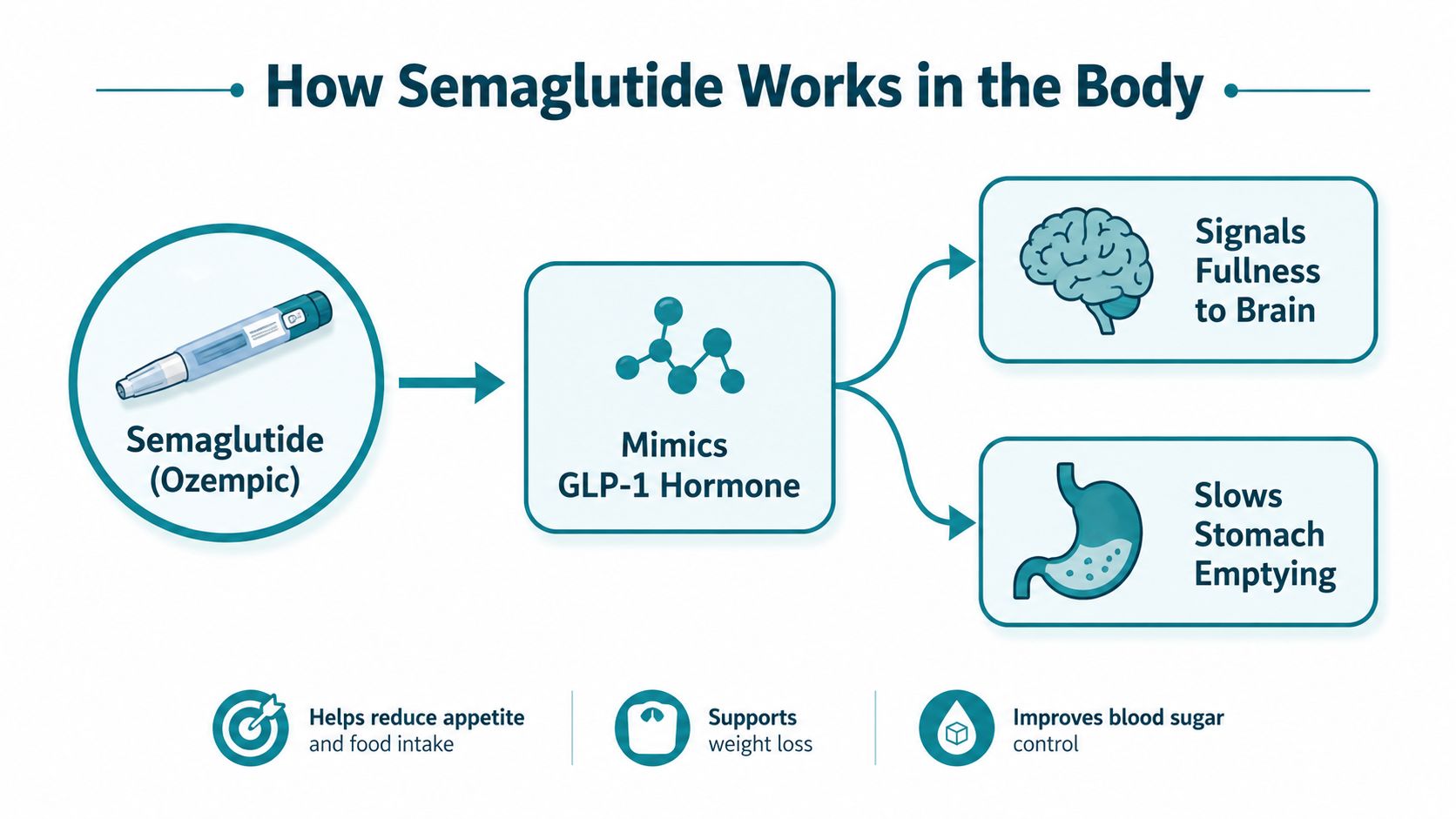
After you eat, your gut sends chemical messages that help coordinate digestion and blood sugar control. GLP-1 is one of those messages. Semaglutide copies that signal. It helps the pancreas release insulin when blood sugar is rising, blunts the meal-related rise in glucose, and slows how quickly the stomach empties. It also acts on appetite pathways in the brain, which is why some people feel full sooner or find that food is on their mind less often.
Why the formulation matters
Ozempic is a manufactured injectable medication, not a mixture that can be casually recreated at home. The FDA labeling describes it as a subcutaneous, once-weekly GLP-1 receptor agonist with a standardized formulation. Each 1 mL contains 1.34 mg semaglutide, and the solution is clear, colorless, isotonic, and pH 7.4. The pen also contains excipients such as disodium phosphate dihydrate, propylene glycol, phenol, and water for injections FDA formulation label.
That matters because the product's physical design is part of why it behaves predictably in outpatient care. A stabilized injectable drug has to be manufactured to hold its concentration, acidity, and delivery characteristics. A compounded mixture can vary in consistency, which changes how reliably the body receives it.
The biology is easier to understand if you use a signal model. Semaglutide works like an amplifier for the body's own hormone message. The underlying signal is still GLP-1, but the medication strengthens and extends that message so the brain and digestive system respond more strongly.
Why appetite changes can feel so noticeable
Slower stomach emptying means food stays in the stomach longer, so a person may feel satisfied with less. Stronger satiety signaling in the brain can also reduce the sense that food is constantly occupying attention. For some patients, that combination is helpful. It also explains why nausea and other stomach-related side effects can show up early in treatment.
Dosing, Titration, and What to Realistically Expect
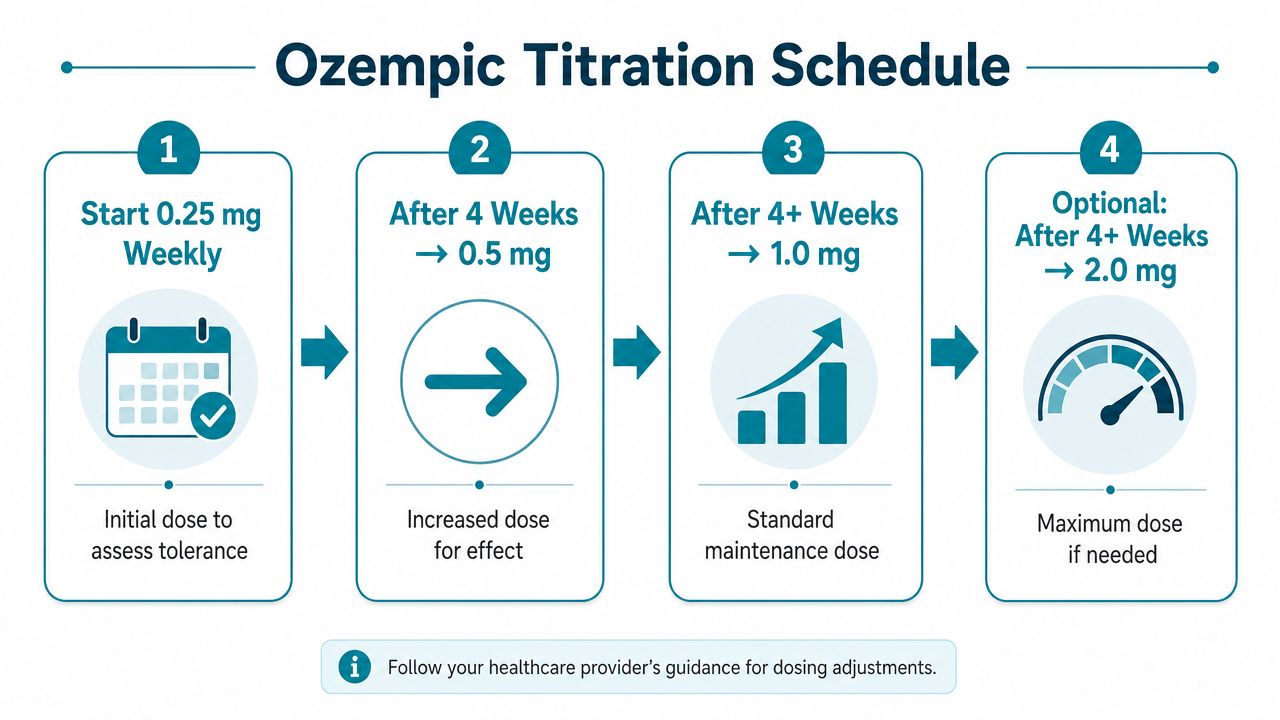
A patient who starts Ozempic and expects a dramatic change in the first week may be disappointed. The medication is usually introduced gradually because the body often needs time to adjust. Stepwise titration is designed to help the body adapt over time, with tolerability taking priority over speed. The EMA product assessment reflects that the medication was studied over 10 to 13 months in five studies involving more than 4,000 patients, which is a long enough window to judge sustained glycemic effect rather than a brief early response EMA assessment.
What the numbers mean in context
In those studies, Ozempic lowered HbA1c by 1.2 to 1.8 percentage points. HbA1c is a blood test that estimates average glucose exposure over time, a little like looking at a long exposure photo instead of a single snapshot. For comparison in the same assessment, sitagliptin lowered HbA1c by 0.55 percentage points, exenatide by 0.92 percentage points, insulin glargine by 0.83 percentage points, and placebo by up to 0.09 percentage points EMA assessment.
Those numbers are useful, but they need context. They show meaningful glucose lowering in a diabetes treatment setting. They do not tell a person with obesity exactly how much weight they will lose, because weight response depends on many factors, including diet quality, other medications, sleep, and baseline metabolic health.
The early dose can also feel modest because it is meant to build tolerance. A low starting dose is usually about tolerability, not full effect. If someone is waiting for a dramatic appetite shift right away, that can feel underwhelming. The first weeks are better understood as a period of adaptation, not the final result.
A practical way to think about expectations
- Early weeks: the body is learning to tolerate the medication.
- Middle phase: dose increases are meant to improve steadiness and effect.
- Maintenance phase: the goal is durable treatment, not a one-time reset.
Some people feel a strong appetite change quickly. Others notice only modest shifts at first. Both can be normal, and neither tells the full story on day one.
Public interest in Ozempic has also changed the experience around it. Access, supply, and cost now shape treatment as much as the medication itself. Peer-reviewed prescribing data showed Ozempic users increased from 569 in 2019 to 7,667 in 2020, then to 13,310 in 2021 and 22,891 in 2022, with a reported monthly growth rate of 83.9% during the study period, and an independent analysis cited by the Oregon Department of Financial Regulation found Ozempic spending grew from $410 million in 2018 to $26.42 billion in 2023 peer-reviewed analysis. That surge helps explain why people run into real-world barriers even when the biology looks straightforward.
Side Effects, Serious Warnings, and Who Should Avoid It
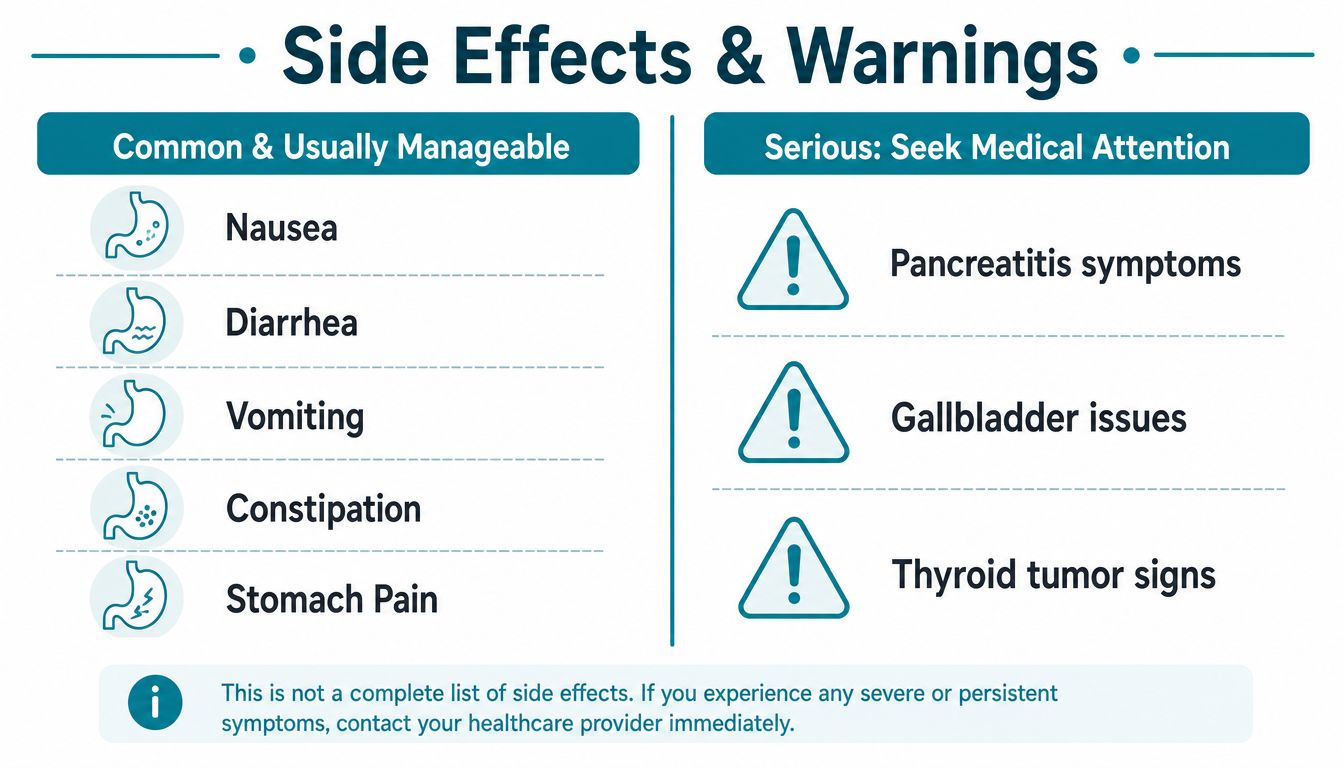
The most common side effects are gastrointestinal. That includes nausea, vomiting, diarrhea, constipation, and abdominal discomfort. For many patients, these effects show up during dose increases and then settle down. They're uncomfortable, but they're not the same thing as a medical emergency.
Common effects versus red flags
A useful way to sort symptoms is to ask two questions. Is this unpleasant but expected? Or is this severe, persistent, or changing the way the body is functioning?
Common symptoms are often the kind people describe as “rough but manageable.” Serious symptoms need a clinician's attention sooner, especially if there's severe belly pain, repeated vomiting, signs of dehydration, or pain that feels different from ordinary stomach upset. The medication class also carries warnings that require careful screening before treatment begins, including concern for medullary thyroid carcinoma and multiple endocrine neoplasia syndrome type 2, or MEN 2.
A person considering Ozempic should disclose personal or family history of thyroid cancer, MEN 2, pregnancy status, kidney disease, and eye disease. Those details matter because they change the risk conversation, even when the medication otherwise looks like a good fit on paper.
Symptoms that deserve a call
- Severe, persistent abdominal pain: can be a warning sign for pancreatitis.
- Right upper abdominal pain or fever: can point to gallbladder disease.
- Ongoing vomiting or inability to keep fluids down: may mean more than routine nausea.
- A neck mass, hoarseness, or trouble swallowing: needs prompt medical review.
If symptoms are intense, new, or persistent, don't try to “push through” them on your own.
The question of who should avoid Ozempic isn't just about labels. It's about context. A medication can be appropriate for one person and inappropriate for another because the risk profile changes with endocrine history, pregnancy planning, or other medical conditions. That's one reason physician-led follow-up matters more than a quick prescription.
How Ozempic Compares With Other Anti-Obesity and Diabetes Medications
People often compare Ozempic with Wegovy, Mounjaro, Zepbound, and oral options because the molecules and goals overlap. The important differences are usually approved indication, administration route, and the kind of evidence supporting use for diabetes or weight-related treatment. Ozempic, for example, contains semaglutide but is approved for diabetes-related outcomes, while Wegovy is the semaglutide product used for chronic weight management.
Quick comparison
| Medication | Active ingredient | Primary FDA-approved adult indication | Typical administration |
|---|---|---|---|
| Ozempic | Semaglutide | Type 2 diabetes, cardiovascular risk reduction in type 2 diabetes, kidney-related risk reduction in type 2 diabetes | Once-weekly injection |
| Wegovy | Semaglutide | Chronic weight management and related cardiometabolic indications | Once-weekly injection |
| Mounjaro | Tirzepatide | Type 2 diabetes | Injection |
| Zepbound | Tirzepatide | Chronic weight management | Injection |
| Oral semaglutide | Semaglutide | Type 2 diabetes | Oral tablet |
That table is useful because it strips away marketing language. Two products can share an active ingredient and still be approved for different uses, with different dosing and insurance implications. That's why the first question in a real visit is usually not “Which one is strongest?” It's “Which label matches the patient's medical need?”
How adults usually get confused
The confusion often comes from reading a weight-loss headline and assuming every semaglutide product is interchangeable. It isn't. Route matters, because swallowing a pill and using a weekly injection are different experiences. Indication matters, because the FDA-approved reason for prescribing drives documentation, monitoring, and coverage.
If a person is comparing medication pathways, it can help to look at the full treatment plan rather than the brand name alone. For a concise comparison of GLP-1 and phentermine-based approaches, see the practice's GLP-1 versus phentermine guide.
The right comparison isn't only about the drug. It's about the condition being treated, the route a person can realistically use, and the follow-up the medication requires.
Pregnancy, Nutrition, and Other Topics Worth Asking About
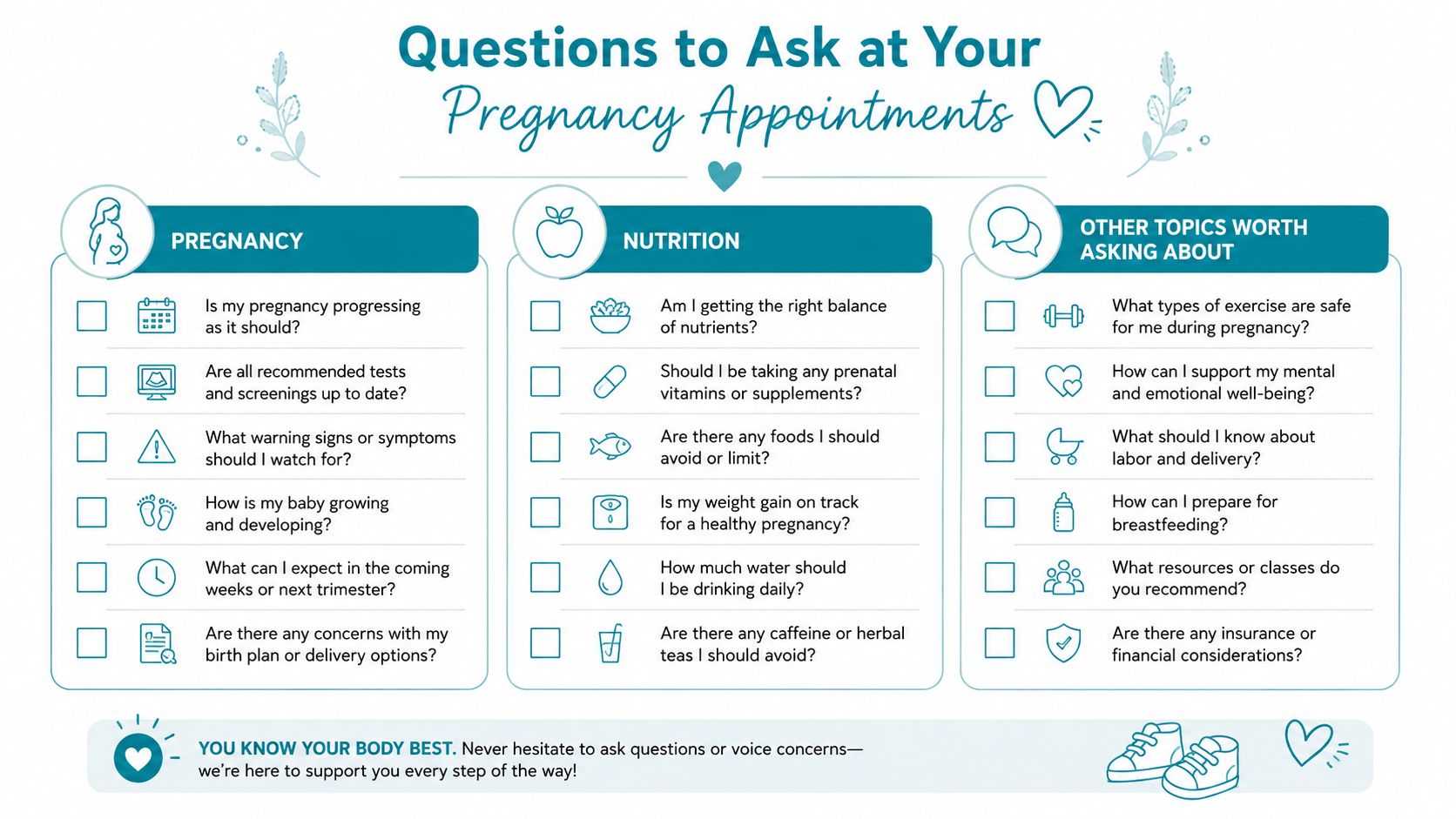
A person can start Ozempic focused on appetite or blood sugar and only later realize there are two practical questions that need answers right away. One is pregnancy planning. The other is how to keep nutrition adequate when eating less suddenly becomes easy. Both deserve a direct conversation, because they affect safety, not just comfort.
Pregnancy planning comes first
The FDA label says Ozempic should be stopped at least 2 months before a planned pregnancy. That warning is in the FDA pregnancy label, and it matters because semaglutide stays in the body long enough that pregnancy planning needs to happen before conception, not after a test turns positive.
For adults who could become pregnant, contraception and timing should be part of the medication discussion from the start. That is routine safety planning, the same way clinicians review other medications that can matter during pregnancy. It matters even more in settings where prescriptions are handled online with limited counseling, because there may be less chance to discuss family planning before treatment begins.
Nutrition and lean mass deserve attention
A second issue is what happens to food choices once appetite drops. A review of GLP-1 treatment concerns noted limited evidence on diet quality, protein intake, micronutrient adequacy, body composition, and patient experience, and raised the possibility that weak guidance could contribute to nutrient gaps and muscle loss. That concern is practical, not abstract, because reduced hunger can make under-eating feel normal.
A useful way to frame the question is, “What do I need to keep getting?” rather than “What can I cut out?” That shift matters because weight loss is not only about eating less, it is also about eating enough of the right kinds of foods to support energy, strength, and day-to-day function. For many people, a balanced meal guidance for weight loss approach is a steadier starting point than advice copied from social media.
Meal planning still needs to fit the individual, their labs, and their medical history. A person with nausea, reflux, constipation, or a history of disordered eating may need a different plan than someone who is trying to improve portion control. A clinician can help sort out whether the issue is poor intake, poor tolerance, or a combination of both.
Questions worth bringing to a visit
- Could this medication affect pregnancy timing?
- What should I watch for if nausea changes how much I eat?
- How will we monitor nutrition and muscle preservation over time?
- What should trigger a call to the office?
How Physician-Led Obesity Evaluation Differs From Online Prescribing
A careful obesity evaluation should feel more like medical problem-solving than product selection. At Empire Medical Wellness, the current model is a 50-minute initial evaluation for $350 and a 25-minute follow-up for $225, with private-pay billing, no direct insurance billing, and an itemized receipt available through the patient portal. Telemedicine is available for adults physically located in New York, New Jersey, Connecticut, Pennsylvania, or Virginia, and in-person appointments are also available.
What a physician-led visit actually covers
A thoughtful visit can include medical and metabolic assessment, review of weight history and relevant health factors, individualized weight-management planning, consideration of anti-obesity medication when clinically appropriate, ongoing monitoring, and long-term maintenance planning. That kind of visit is different from filling out a short questionnaire and getting a prescription with little follow-up.
Online prescribing can be convenient, but convenience isn't the same as supervision. A GLP-1 medication affects appetite, digestion, blood sugar, and sometimes the way a person tolerates food and fluids. Those changes are easier to manage when there's a clinician who knows the history, not just the prescription.
What a good visit should not promise
It should not promise guaranteed weight loss. It should not promise a cure. It should not blur approved use with off-label use. And it should not pretend that medication alone solves a long-term metabolic problem.
A good obesity medicine visit helps a person choose a plan they can actually stay on, not just a medication they can start.
For adults comparing online prescribing with physician-led care, the difference is often continuity. The work is not only picking a drug. It is deciding whether the drug fits the person, then adjusting the plan as the body and the labs respond. For a direct look at the practice's online access model, see GLP-1 care without insurance.
Frequently Asked Questions and a Restrained Next Step
Can Ozempic be prescribed for weight loss?
It can be prescribed off-label in some settings, but Ozempic itself is not FDA-approved as a weight-loss drug. The approved semaglutide product for chronic weight management is Wegovy, not Ozempic.
Why does cost vary so much?
Coverage depends on the drug, the indication, the plan, and whether prior authorization is required. Some plans cover diabetes use more readily than weight-management use, and many patients still face out-of-pocket costs that can be substantial.
What happens if someone stops taking it?
Appetite and blood sugar effects can fade after stopping, so weight maintenance often becomes part of the conversation before a person ever begins therapy. That's one reason long-term planning matters more than short-term enthusiasm.
How should someone choose between Ozempic and other options?
The answer depends on the diagnosis being treated, whether an injectable or oral medication is preferred, and what evidence supports the goal. For that decision, the medication label matters more than the social media trend.
If you're trying to sort out whether Ozempic, Wegovy, or another approach fits a real medical need, a physician-led obesity visit can help you compare options in context. Adults who want to learn more can visit the practice's weight loss services page for a closer look at obesity medicine care.
Empire Medical Wellness offers physician-led obesity medicine with careful evaluation, follow-up, and medication monitoring when clinically appropriate. If you're weighing Ozempic against other options, visit Empire Medical Wellness to review the obesity medicine service page and decide whether a structured medical visit makes sense for you.
This article is for education only, not personal medical advice. If you have urgent symptoms such as severe abdominal pain, repeated vomiting, trouble breathing, or signs of an allergic reaction, seek immediate medical care.
Sources: FDA Ozempic label, FDA Ozempic formulation label, EMA Ozempic EPAR, FDA pregnancy label update, peer-reviewed prescribing analysis, Ozempic product site, KFF-based survey summary.