
If you've been wondering whether what you're feeling is “just stress” or something worth getting checked, you're not alone. Many adults start here, with a mix of uncertainty, fatigue, and the question of what kind of help makes sense.
Mental health care works best when the next step matches the problem. For some people, that means self-monitoring and sleep support. For others, it means a routine evaluation, a medication review, therapy, or urgent help. This guide breaks those choices down in plain language so you can judge symptoms more clearly, understand the difference between screening and diagnosis, and see how therapy and medication management can fit together.
Table of Contents
- What This Mental Health Guide Covers
- Defining Mental Health and Common Condition Categories
- Signs That Merit Attention and When to Seek Help
- Evidence-Based Treatment Types and How They Differ
- What a Physician-Led Evaluation and Medication Management Involve
- Overlapping Relationships Among Mental Health, Substance Use, Sleep, and Weight
- Practical Next Steps for Adults Considering Private-Pay Care
- Frequently Asked Questions About Mental Health Care
What This Mental Health Guide Covers
A common first question is simple: does this feel like ordinary stress, or is it a symptom pattern that deserves evaluation? This guide is built to answer that boundary in plain language. It helps you sort four decisions adults face, whether symptoms merit attention, what level of care fits, who can evaluate the problem, and how therapy and medication management can work together.
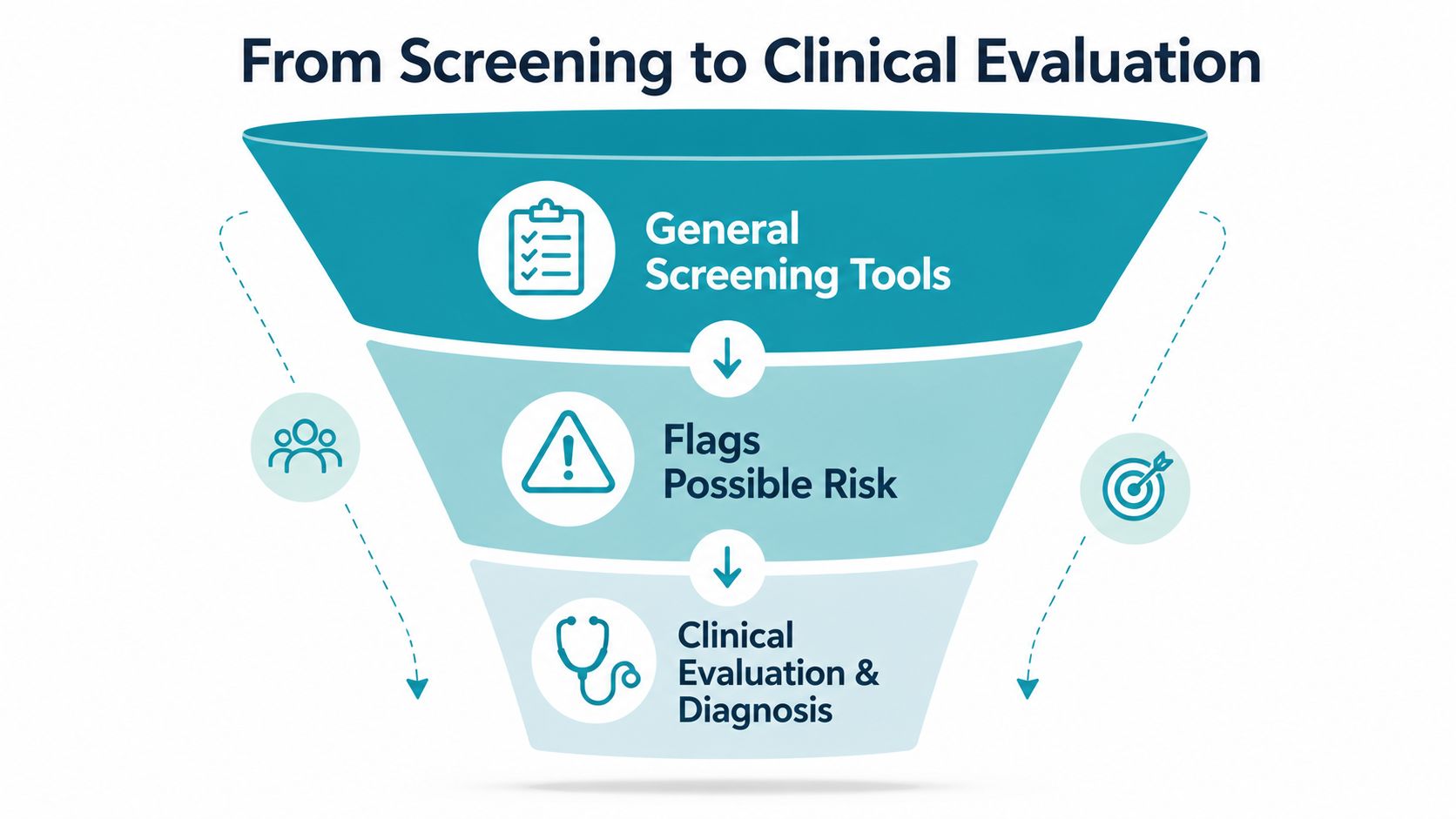
A careful first pass is more useful than self-labeling. Screening tools can flag possible risk, but they do not diagnose a disorder. A clinician then looks at the symptom pattern, safety, day-to-day function, medical history, sleep, medications, and alcohol or other substance use before deciding what the picture means.
The scale of mental illness makes that sorting important. WHO reported that in 2021 nearly 1 in 7 people worldwide, about 1.1 billion, were living with a mental disorder, and anxiety and depressive disorders were the most common. WHO also reported 280 million people were living with depression in 2019, including 23 million children and adolescents, and that depression and anxiety together cost the global economy an estimated US$1 trillion each year in lost productivity. WHO mental disorders fact sheet
Practical rule: if symptoms are changing how you sleep, work, think, or relate to other people, they deserve more than a casual guess.
This article is educational, not personal medical advice. It cannot tell you whether you need therapy, medication, both, or a different level of care. It can help you judge what kind of evaluation is reasonable before you book anything.
Defining Mental Health and Common Condition Categories
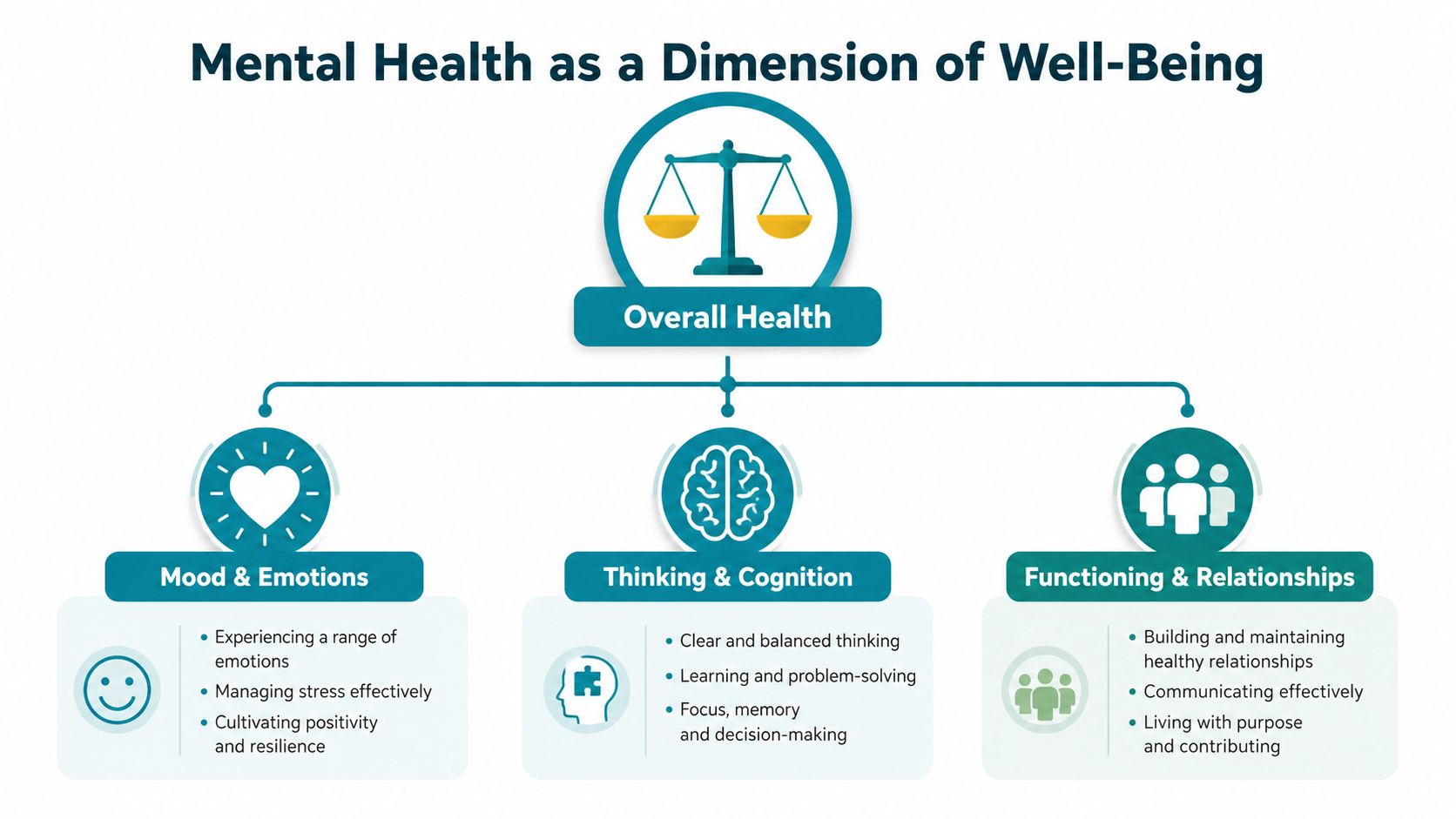
Mental health is one part of overall health. It shapes mood, thinking, energy, sleep, relationships, and how well a person handles ordinary demands. A person can look fine on the outside and still be struggling on the inside, much like a phone that keeps turning on but drains too fast to function well.
The most common clinical categories adults encounter are depressive disorders, anxiety disorders, bipolar and related disorders, psychotic spectrum disorders, trauma- and stressor-related disorders, and attention-related disorders. These are clinical categories, not labels to assign after skimming a list online. One symptom, such as poor concentration, can show up in depression, anxiety, sleep loss, substance use, or a medical condition.
WHO's global update shows that treatment access still lags behind need. WHO highlighted that depression and anxiety rose by more than 25% in the first year of the COVID-19 pandemic, while access to care remained far below need, and in 2025 WHO again reported that more than 1 billion people were living with mental health disorders worldwide. WHO global mental health action update
Distress is real, but not every hard season is a disorder
People can go through grief, stress, burnout, or a rough patch without meeting criteria for a mental disorder. The clinical question is whether symptoms are persistent, intense, and disruptive enough to affect function. Duration and impact matter as much as the feeling itself.
Sleep problems, alcohol use, and other substance use can blur the picture. Thyroid disease, chronic pain, medication side effects, and untreated medical illness can do the same. A careful evaluation sorts through those possibilities instead of assuming one explanation fits everything.
For a closer look at how depression is evaluated and treated, see a closer look at how depression is evaluated and treated. It gives useful context when you are trying to tell whether low mood is part of a larger pattern that deserves clinical attention.
A useful public resource for caregivers who are trying to sort out whether a loved one needs more support is the Guiding Growth caregiver mental health guide. It can help families distinguish a hard week from a pattern that needs evaluation.
Signs That Merit Attention and When to Seek Help
A person can be having a hard season, or they can be crossing into a pattern that deserves evaluation. Persistent low mood, anxiety, irritability, poor sleep, loss of interest, appetite change, concentration problems, withdrawal, rising substance use, and thoughts of self-harm are all signs to take seriously. A single symptom does not prove a diagnosis, but several together can point to something beyond ordinary stress.
The practical question is function and safety. If work is slipping, relationships are strained, sleep is breaking down, or alcohol or other substances are becoming a daily coping tool, that is enough reason to seek care.
A simple decision tree for next steps
- Mild or short-lived symptoms: start with sleep, routine, movement, and cutting back on alcohol or other substances that can worsen mood. Monitor whether the pattern fades or returns.
- Persistent symptoms or function is slipping: schedule a routine outpatient evaluation. This fits symptoms that last, recur, or keep interfering with daily life.
- Rapidly worsening symptoms: contact a clinician the same day or use urgent care. A fast change in behavior, judgment, or sleep can justify quicker assessment even if the person still looks composed.
- Suicidal intent or plan, severe agitation, new psychosis, mania, or dangerous behavior: call 988 in the United States for crisis support, or seek emergency help immediately. SAMHSA's report notes that among adults with serious thoughts of suicide, only about half, 50.3%, received any mental health treatment in the past year. SAMHSA suicide and treatment report
A caregiver often has to decide without a clear label in hand. The Guiding Growth caregiver mental health guide can help with that judgment by showing how to separate a rough week from a pattern that needs attention.
Urgent doesn't mean dramatic. A person can look “fine” on the outside and still need same-day evaluation if safety, sleep, or judgment is changing fast.
Evidence-Based Treatment Types and How They Differ
A person looking for help often starts with a practical question: do symptoms call for therapy, medication, or both? The answer depends on the problem, how much daily life is affected, and how much risk is present.
Adults often think of mental health care as either “therapy” or “medication,” but those are separate services and they're often used in different combinations. CDC data show that in 2024, 19.3% of U.S. adults took medication for their mental health in the past 12 months, while 14.0% received counseling or therapy from a mental health professional. CDC mental health medication and counseling brief
The usual first fork in the road is simple. If symptoms are mild and the person is still functioning, psychotherapy may be enough. If symptoms are persistent, severe, or linked to higher risk, medication management or a coordinated plan may fit better. Some people need a short course of one treatment. Others need both because medication can reduce symptom intensity while therapy helps build coping skills and test new habits in daily life.
Common evidence-based mental health treatment types
| Treatment Type | Typical Setting | What It Primarily Addresses | Key Consideration |
|---|---|---|---|
| Psychotherapy, such as CBT, IPT, or behavioral activation | Outpatient therapy office or teletherapy | Thoughts, behaviors, coping patterns, relationships, and day-to-day function | Requires time, repetition, and the right fit with the therapist |
| Medication management | Physician, psychiatrist, or other qualified prescriber | Symptom reduction, relapse prevention, and management of medication risks | Needs follow-up, especially when symptoms change or side effects appear |
| Combined medication and therapy | Coordinated outpatient care | Both symptom relief and skill-building | Coordination works best when goals and safety concerns are shared with consent |
| Structured intensive programs | Specialty outpatient or higher-acuity settings | More severe or complex symptoms that need closer monitoring | Appropriate when routine weekly care isn't enough |
Primary-care evidence also helps explain why follow-up matters. A meta-analysis of primary-care depression treatment found remission rates of 50% to 67% for active treatments, versus 32% with pill placebo and 35% with usual care. Antidepressant-only and psychotherapy-only interventions each showed about 54% remission. The 50% figure for combined program approaches came from a different mix of studies and outcome definitions, so it should not be read as proof that combined care is weaker. Primary-care depression meta-analysis
A useful way to read these numbers is this: treatment choice is not a contest between medicine and therapy. It is closer to choosing the right tool for the job. A hammer helps with nails, and a wrench helps with bolts. Mental health care works the same way, because different symptoms respond to different forms of help.
Clinical reality: improvement is common, but incomplete response is common too. That is why a good plan includes reassessment, not just a first prescription or first therapy referral.
For adults who want a plain-language example of how prescribers talk about medication options and follow-up for anxiety, the anxiety medication information page is one example of that kind of explanation.
What a Physician-Led Evaluation and Medication Management Involve
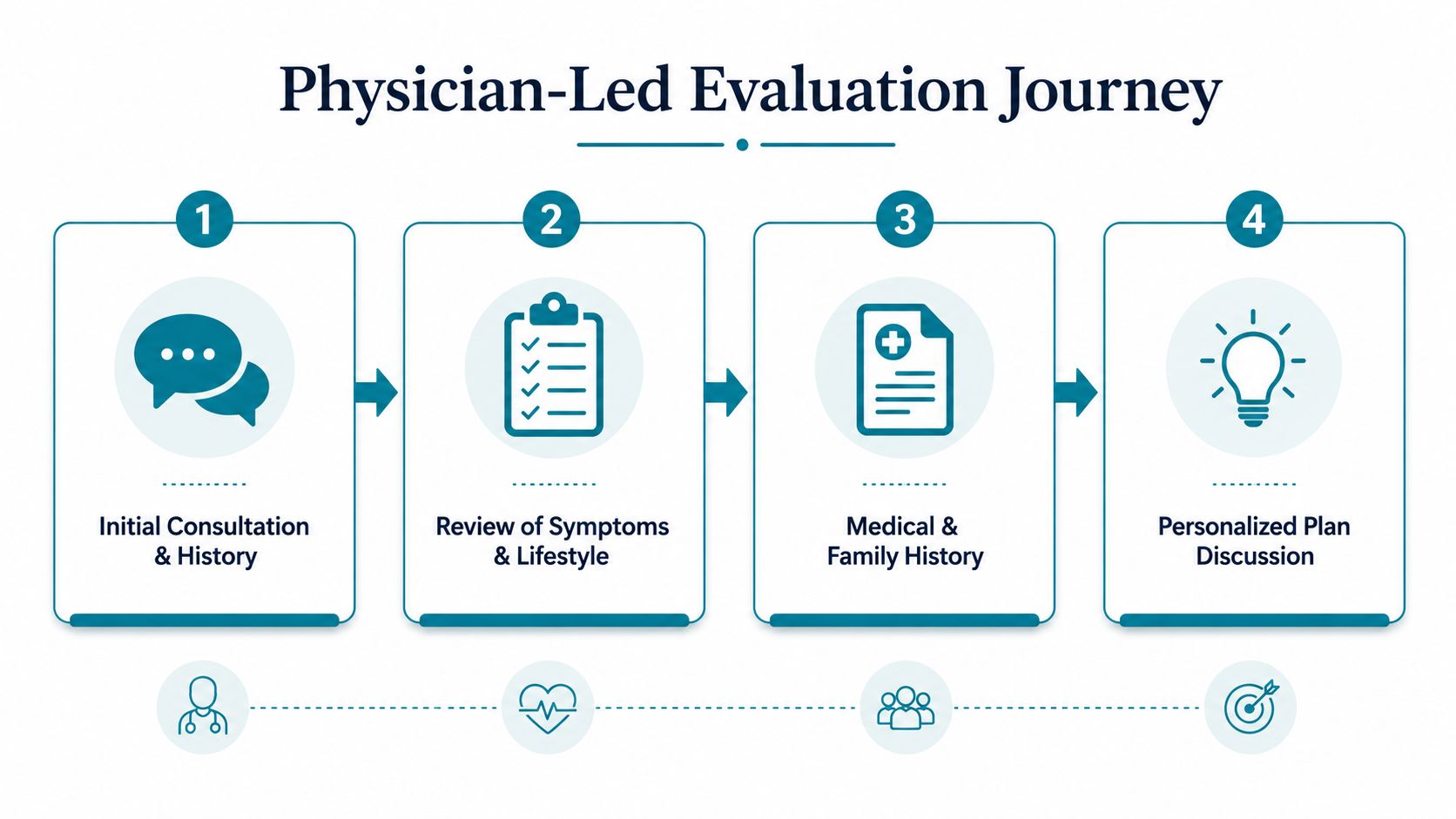
A physician-led mental health evaluation begins with a structured conversation. The clinician asks about current symptoms, when they started, past episodes, past treatment response, medical conditions, current medications, sleep, alcohol, and other substance use. The goal is to form a working diagnosis that fits the whole person, not only the symptom that led to the visit.
For adults, the first questions often focus on safety, how symptoms are affecting daily life, and whether medical or substance-related factors could change the diagnosis or medication risk. That means asking about suicidal thoughts, self-harm, psychosis, mania, recent behavior changes, and side effects from current medicines. It also means checking whether the course looks as expected or whether something has shifted.
What follow-up should track
Medication management is not a one-time prescription. Follow-up should track symptom change, daily functioning, sleep, adherence, side effects, substance use, and the goals the patient says matter most. If the expected change does not happen, the diagnosis may need to be reconsidered rather than just adding more treatment.
This video outlines what to expect during a physician-led mental health evaluation.
Partial response can still leave a person far from remission. The treatment numbers discussed earlier show that active care helps more than usual care, yet response is often incomplete. Careful follow-up helps separate “not enough time yet” from “wrong diagnosis,” “wrong dose,” “poor fit,” or a need for coordinated adjunctive care.
A good medication review asks what changed, what did not, and what else may be driving the symptoms. That keeps treatment honest and safer.
A physician-led outpatient practice can also coordinate with outside therapists when the patient wants that. The mental health medication review page shows how that kind of follow-up is usually described in a private practice setting.
Overlapping Relationships Among Mental Health, Substance Use, Sleep, and Weight
A person can go to bed exhausted, wake up unrested, feel low or anxious, drink more to sleep, and then notice appetite or weight changes. Those pieces often move together. Sleep problems can worsen mood and concentration. Substance use can blur the picture and make it harder to tell what started first. Weight stigma can add stress and lead people to delay care, even when it says little about the actual diagnosis.
That is why a single label rarely explains everything. Low energy may reflect depression, insomnia, alcohol-related sleep disruption, medication side effects, or a medical condition. Good evaluation separates the symptoms that travel together from the cause that needs treatment.
Access problems add another layer. The AMA reported that in 43 states, enrollees in the nation's four largest commercial insurers face potential disparities in finding in-network mental health and substance use disorder care compared with physical health care, and that 7 in 10 counties have similar network-access problems. AMA parity and network-access analysis
The same analysis found outpatient mental health and substance use treatment is paid at lower levels than outpatient physical health care across all 50 states in those networks, with average payment differences of 16% to 59%. In practical terms, that can mean longer waits, narrower networks, and more people relying on private-pay follow-up or telemedicine while they look for steady care.
For adults who also want to understand recovery support, the addiction medicine page explains how outpatient medical care differs from emergency detox, inpatient treatment, or psychotherapy.
Practical Next Steps for Adults Considering Private-Pay Care
Start with a plain-language symptom timeline. Write down what changed, when it began, what makes it worse, what helps, and whether sleep, alcohol, other substance use, or a new medication may be involved. Bring a list of prescriptions, over-the-counter medicines, supplements, and the names of any outside clinicians you already see.
A first visit usually goes better with a few direct questions. Ask which diagnoses are being considered, what safety issues matter most, what follow-up will look like, and how medication benefits and side effects will be tracked. If therapy is part of your care, ask how the prescriber and therapist can communicate with your permission.
A simple example of coordinated care
A person with persistent anxiety might see a prescriber for medication evaluation and an outside therapist for weekly psychotherapy. With consent, they can share treatment goals, safety concerns, and observations about function and side effects. Privacy rules still limit what can be discussed.
That coordination often helps more than isolated care. It keeps the medication plan and behavioral plan pointed in the same direction, and it makes it easier to notice when a symptom pattern is not following the expected course.
If you want to understand how private-pay visits are structured before you schedule anything, the fees and how it works page is the best place to start.
Frequently Asked Questions About Mental Health Care
A person may wonder whether symptoms are “bad enough” for care. The practical test is simpler: if mood, anxiety, sleep, concentration, substance use, or daily function keeps changing in a way that does not settle, an evaluation is reasonable. You do not need to wait for a crisis.
What's the difference between a psychiatrist and a physician doing medication management? A psychiatrist is a physician with specialty training in psychiatry. Other physicians can also evaluate mental health and prescribe within their scope and training, and they can refer when a case needs more specialized care.
What if a medication isn't working or causes side effects? That is a cue to revisit the plan with the prescriber. The issue may be the diagnosis, the dose, how long the medicine has been taken, missed doses, drug interactions, sleep disruption, or another factor that needs a closer look. Do not adjust it on your own.
Where does 988 fit in? 988 is the U.S. crisis line for immediate support. It is meant for situations such as suicidal intent, a plan, severe agitation, psychosis, mania, or other danger. It does not replace outpatient care, but it can help bridge the gap until direct help is available.
A physician-led outpatient consultation can help adults sort out which of the four decisions comes next, whether symptoms merit attention, what level of care fits, who should evaluate them, and how therapy and medication management should work together. For someone who is unsure whether to begin care, that first visit can provide a structured assessment before committing to a longer treatment plan.